Full Name
Rob Lambert
Rob Lambert's Work
231 Posts

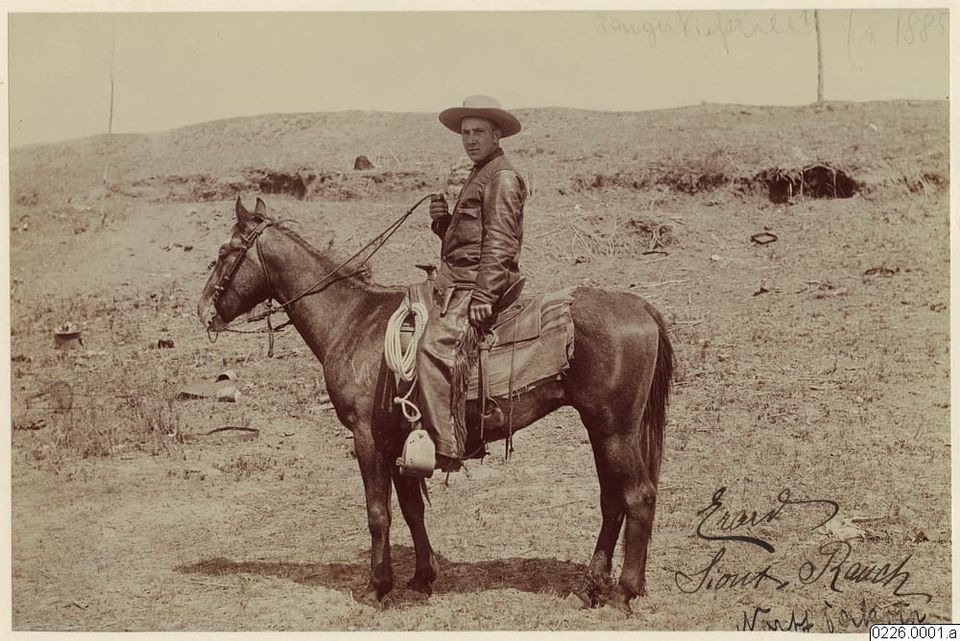
I spent the better part of a year planning "No More Cowboys" before Checkatrade beat me to it. On why planning feels safe, only doing reveals the truth, and the very good plan beats the best one.
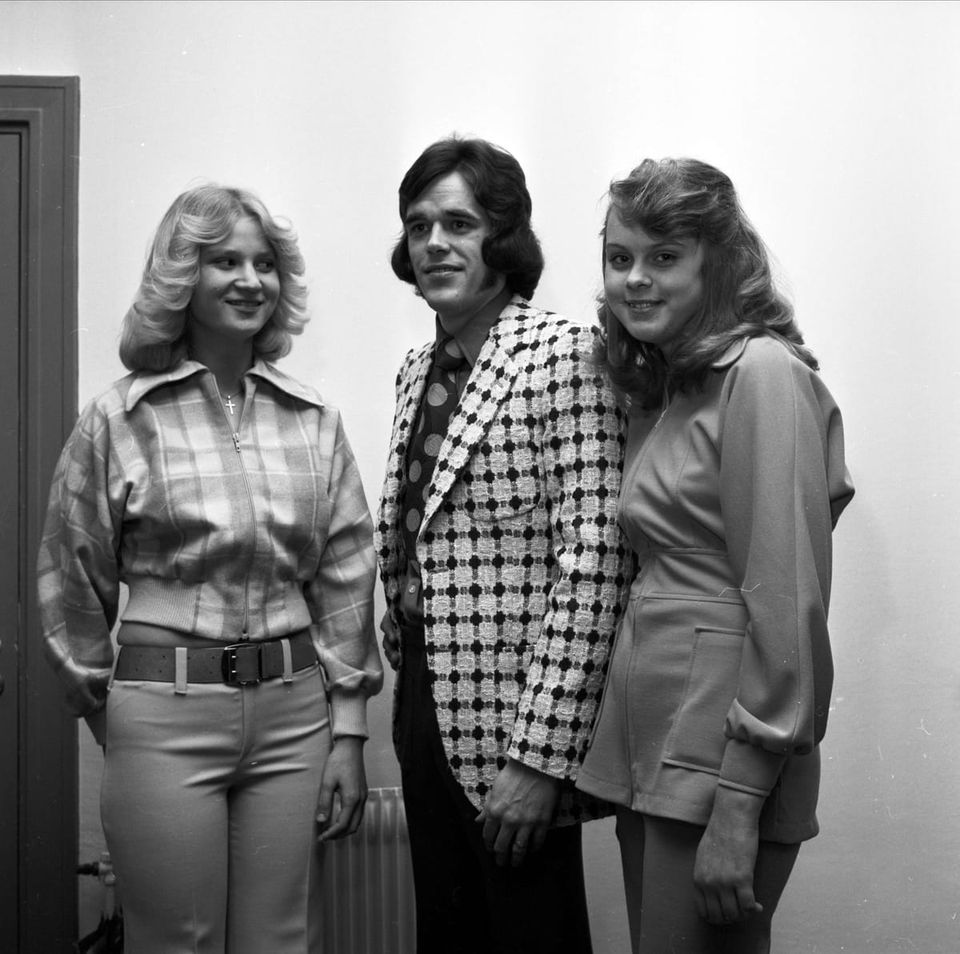
I'm a sartorial disaster. My friend wasn't — and when strangers asked him to make their clothes, he leapt without once weighing the problems that came with it. On the two sides of every coin, and when not to turn it over.
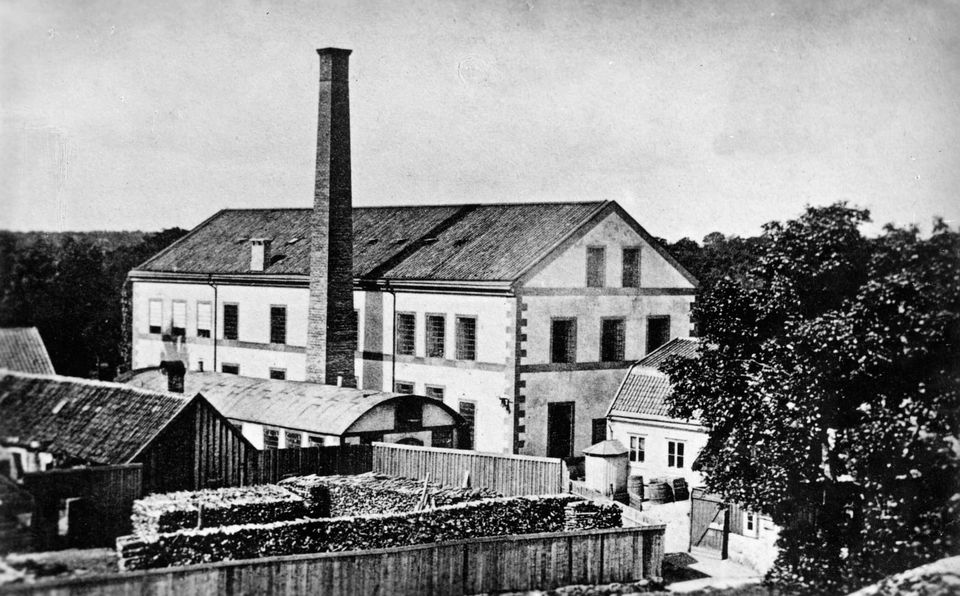
The summer I worked in a snack packing factory, the hopper filtered out everything that didn't fit — without once checking who'd dropped it in. On why most organisations can't.
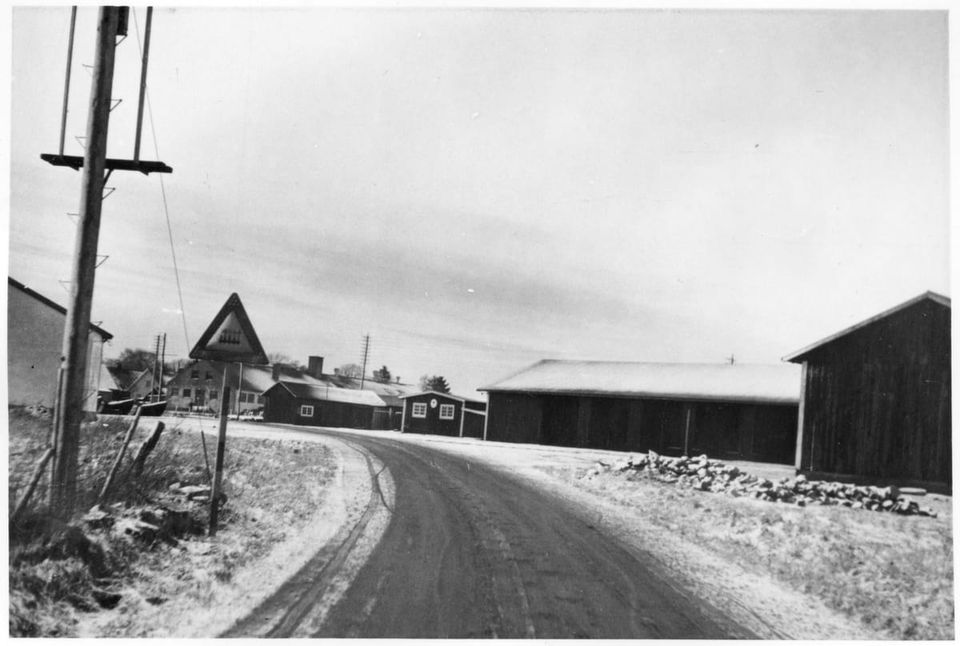
Lost in the Leeds suburbs, I asked a man the way to Horsforth. "I wouldn't start from here," he said. On why knowing where you actually stand is the hardest, bravest step toward where you want to go.

A simple calligraphy pen introduced friction, boundaries, and intention into my thinking — not through optimisation, but through boundaries, surface and friction.
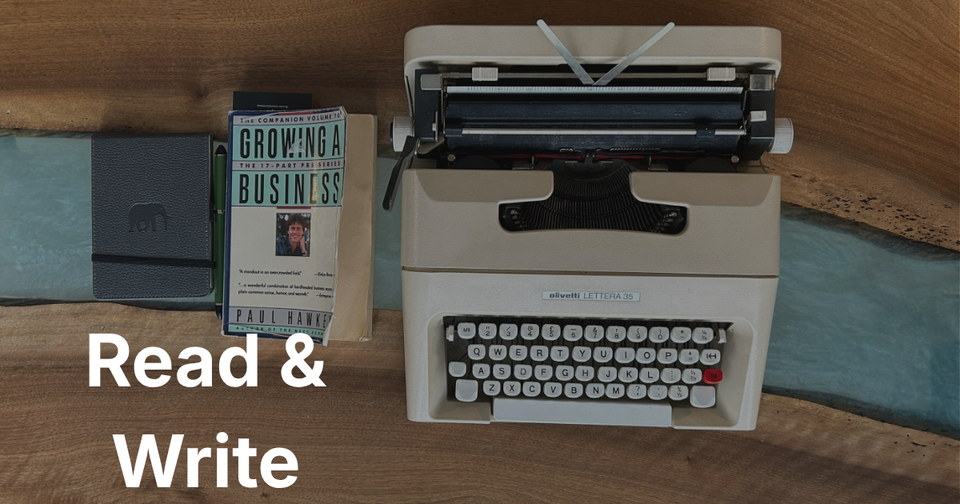
Communication isn't a presentation skill. It's a daily practice — shaped by habits of attention, vocabulary, and clarity of thought. Two low-barrier practices that quietly compound over time: reading and writing.

Career advancement follows quieter mechanics than most people expect — patterns of behaviour, systemic contribution, and clarity of intent. A practical exploration of the structural forces that actually move people forward.
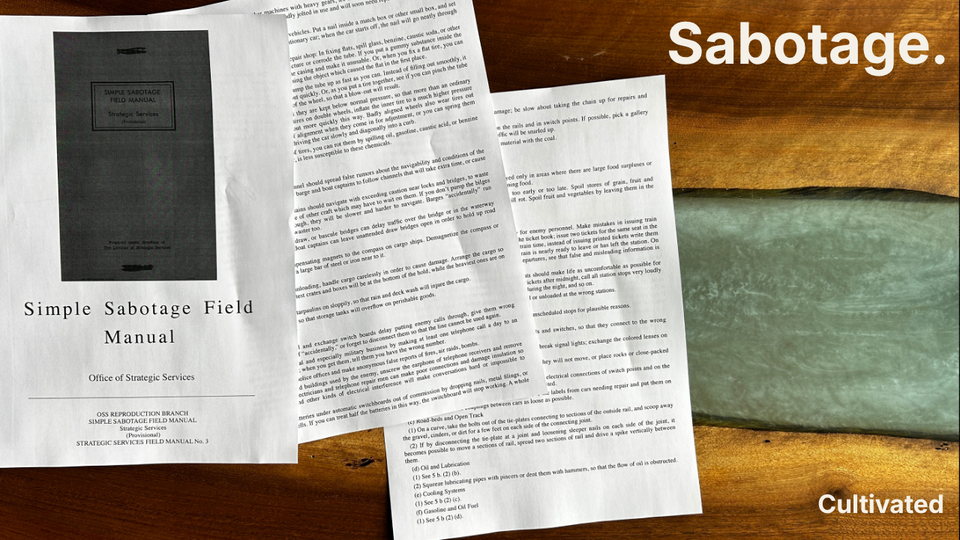
In 1944, the OSS published a manual on how to quietly sabotage organisations. Eighty years later, many of its tactics have become standard corporate practice. Read it and you'll recognise your own workplace.

Editorial space is infinite. Attention space is scarce. Most organisations get this backwards — publishing more content and creating less understanding. A practical case for designing communication for human attention rather than organisational efficiency.