Nobody warns you about life after the startup : startup is a story
I left a company I'd helped carry from barely making payroll to an exit — and standing at the bus stop in the rain, I felt strangely bereft. This is about the emotional arc of a startup, the messy middle that turns out to matter most, and why so many founders feel restless and lost after the exit.
Updated 29th September 2026 - revised article, new atlas location.
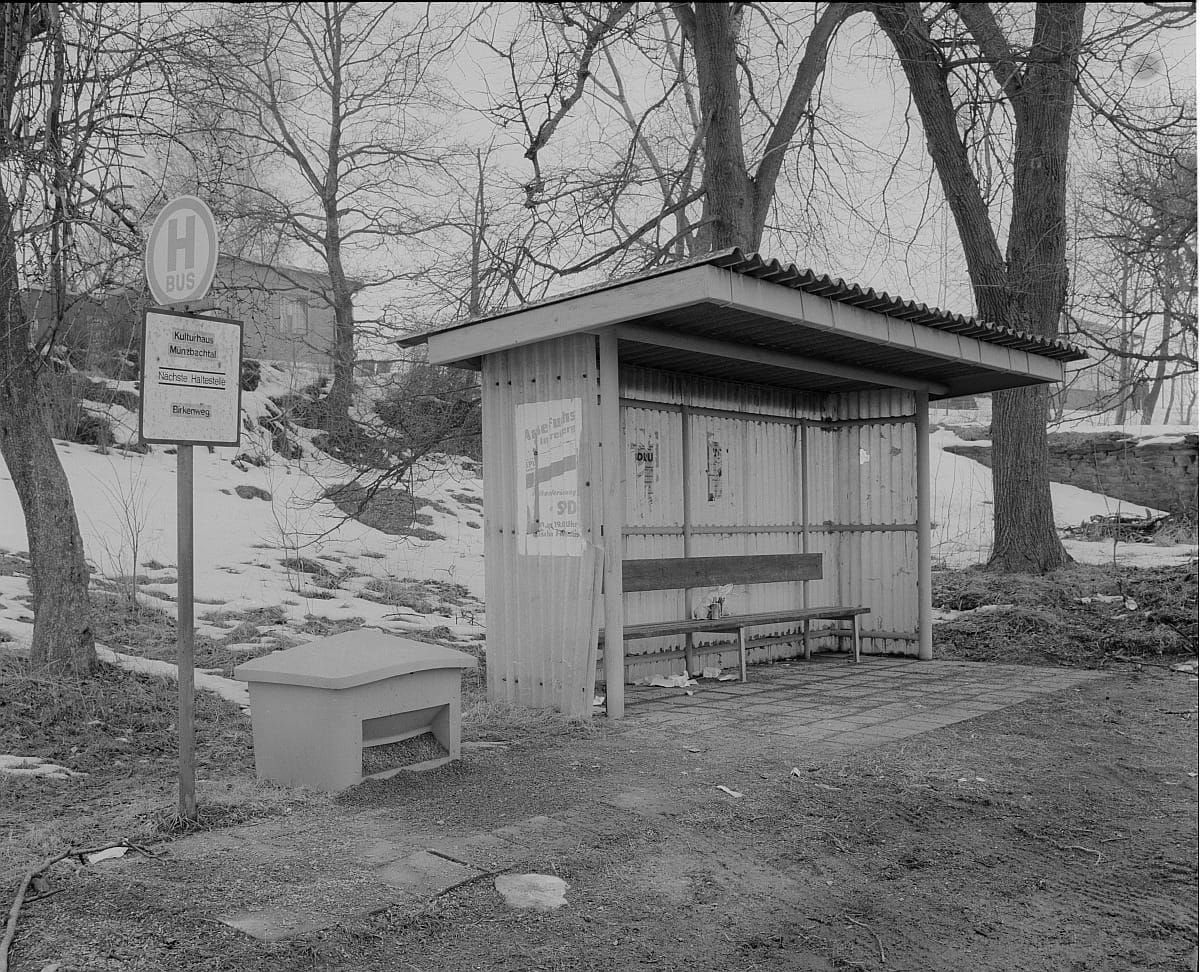
I was standing at the bus stop, feeling rather sad, if I'm honest, looking back at the building I'd spent the last seven years inside. Seven years being part of the story that carried the company from barely making payroll to a hefty exit. This was my exit too. I'd run my time, taken my options, and was branching out on my own.
The rain came in, a clapped out car went past and the bus meandered towards the stop with a distinct lack of gusto – which suited the mood rather well.
I was sad to be leaving and proud of what we'd built, both at once. And standing there, watching the rain streak the glass of a building that was no longer part of my life, I realised something: the life of a startup is a great deal like a really good story.
It begins fast. There's a sense of arrival, of meaning – not certainty, far from it, but orientation. A calling, almost. Something is pulling you towards it. There's a mission, and a picture of the future vivid enough to lean into and walk towards.
A world is being named and imagined. A problem gets spoken out loud. The edges of a possibility come into focus, and the potential is genuinely mesmerising.
People gather – not because anything is clear, but because something feels alive and undiscovered.
In story telling, this opening act is brief. Roughly a quarter of the whole. The scene is set, the characters appear, the world is introduced and the story tension hums beneath the surface.
In startups it feels just the same. Energy moves faster than proof. Belief does most of the heavy work. The future is uncertain and thrilling. The product isn't finished, sometimes it's barely built. The work is imperfect but alive. Everyone knows they're early, and everyone knows they're helping write a story that didn't exist before.
That's the first gift of a good beginning: velocity, with none of the resistance that tends to come later. We move not because we know how it ends, but because it feels necessary to begin.
The messy middle
Then comes the middle. The part no one can skip, and no pitch deck can summarise cleanly.
In storytelling, the second act takes up about half the whole, and it's slower and far more uneven. This is where characters are refined rather than introduced, where the first bright ideas are tested against reality, where tension doesn't resolve but deepens.
This is the messy middle. And in startups, it's where the romance falls away and the real relationship begins. With the product. With the market. With one another. With yourself.
The middle is full of reversals and setbacks. Small wins undone by sharp disappointments. Sales undone by customers leaving. Moments of confidence upended by some new piece of information. Gaps in the market close with a new competitor, or reveal themselves more clearly, or open up as new potential arrives.
Pivots become necessary, and the original painted picture has to be revised – ideally without draining the hope out of it. People grow. Sometimes together, sometimes apart.
And here's the thing storytellers understand that businesses so often forget: the middle isn't a problem to be solved. It's the work itself. It's the process, the creative act, the slow business of taking a vision and making it real – taking something nebulous and making it tangible.
It's where character is forged, where habits harden or soften, where culture forms, where problem after problem is resolved, where decisions must get made that lead the story forward – and where people discover what they actually do when things stop working.
Because in a good startup, people don't only build a product. They become more precise, more complete, more expanded versions of themselves.
Which is why the middle can feel rough and sketchy and exhilarating all at once. We ache for resolution while being wholly absorbed in the problems. We long for clarity over the long haul while being gloriously busy in the moment not quite knowing whether this will succeed or not. We hope, quietly, that all this effort will prove to have been worth it – that our enthusiasm (and long hours) wasn't misplaced, that we're growing into something.
And later – years later – it's almost always this act we return to in our minds. Not the success, not the exit, not because it was easy. Because it asked something of us. It clawed at the boundaries of what we could do and insisted we step beyond them.
The final act
The final act, when it comes, is fast again.
In stories, tension resolves quickly once the truth has been faced and a way through appears. The climax doesn't linger; the change has already happened, and the ending merely reveals it.
So it is with startups. Something clicks, or something ends. A sale. An acquisition. A fresh round of funding. Sometimes a closing of the doors. From the outside it looks like triumph or collapse. From the inside it feels more like a form of completion.
And the people who walk out are not the people who walked in. They're steadier. Sharper. Often tired. Often changed in ways that refuse to sit neatly on a CV – carrying skills and instincts that no job title contains, so that afterwards they struggle to find the words, or the roles, that describe who they've become.
If it was a good story, there's growth in it – not only the financial kind, but the human kind. It has made new people. People who know more about who they are under pressure. What kind of work costs them too much. What kind of work gives something back. What brings them joy. What parts of work they enjoy the most.
And then something curious happens.
Second and third films are so often weaker than the first. Not always – but often enough to notice. The arc has already been completed. The characters have already paid the steep price of becoming who they became. What follows can feel like motion without necessity.
Something similar happens to a business after an acquisition, or a period of real growth. The story shifts genre. Risk turns into routine. Becoming turns into maintaining. Exploration turns into administration. The experiments that were part of everyday life become a line in a budget, weighed as a win or a loss and a risk.
There's nothing wrong with this, and many people genuinely thrive in it. But for those who lived inside the earlier story, something subtle goes missing. Not the chaos. Not the stress. The sense of authorship.
Because what a good startup really offers isn't just work.
It's participation in a living, changing narrative that is exciting. You're not an extra. You're not reading the script after it's written. You're not following a plot that's been carefully constructed based on every other story. You're shaping the story as it goes – with your decisions, your attention, your nerve, your hope. Everybody, in every business, is writing the story of the business everyday. The startup often feels like a more exciting first version.
Which is why people who've been through a true startup are so often restless afterwards. They're not really chasing another company, or even another exit. They're trying to find the feeling of writing that first story again.
Every business is a story
Every business is a story, whether it admits it or not. And every day, each of us chooses whether we're awake inside that story or merely moving through its scenes – whether we speak lines that matter, whether we deepen the plot or we flatten it.
Perhaps that's the wonderful truth underneath all of it.
We don't long for epic endings. We long for meaningful middles – for the stories that ask something of us, and leave us changed.
A good startup, like a good story, doesn't promise comfort. It promises aliveness. And once you've tasted that – once you've helped write something that mattered – you don't forget the feeling. You have restlessness after the exit.
After the exit, you just wait, patiently, at the bus stop in the rain, listening for the next story that asks you to begin again.
Where this sits in the Atlas
Orientation·Idea to Value·Communication·Creativity & Climate·Learning