Most gates open
A story about an old gate in Lancashire, workplace assumptions, and how easily we accept rules, norms and ways of working without checking whether they're actually locked.
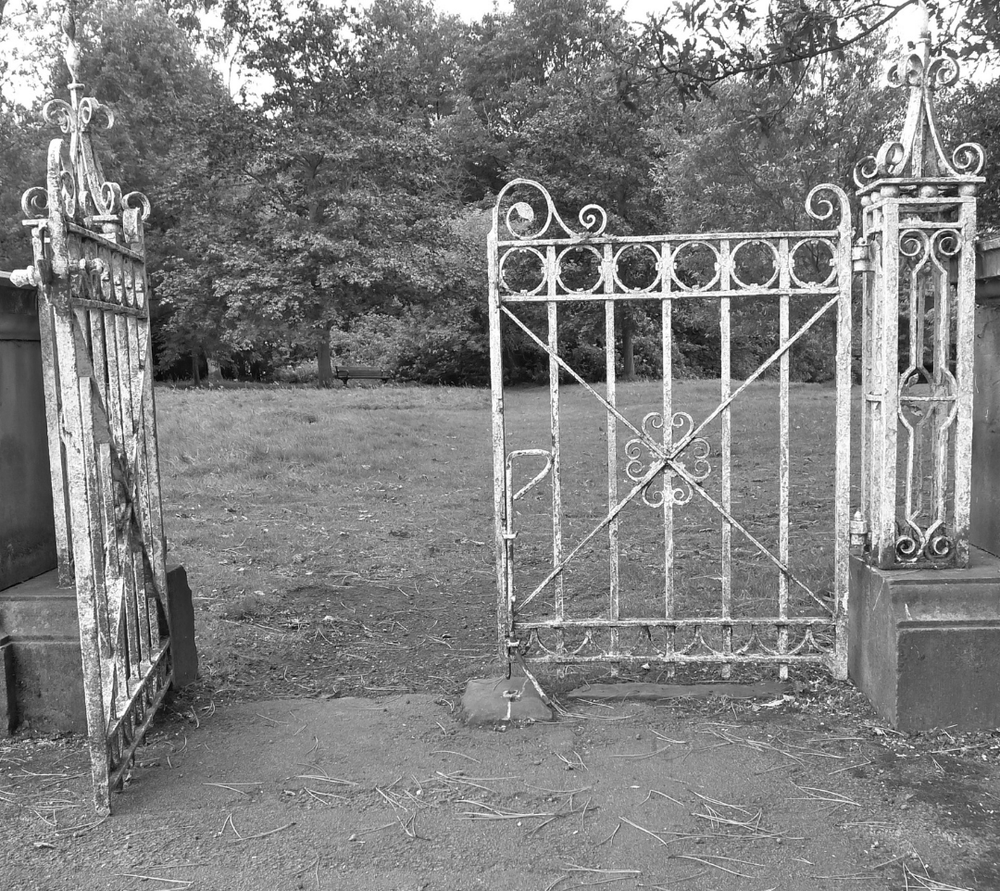
We were in a park in Leyland, Lancashire - and this lovely old gate was standing closed behind an old country house.
The paint was peeling, the wrought iron a little rusting in places – the perfect kind of gate that people like me take photos of.
I'm always amazed by old buildings and gates – and often ponder the things this gate must have seen. If the gate could see. Which it can't.
I immediately wanted to snap a photo of it, so I did.
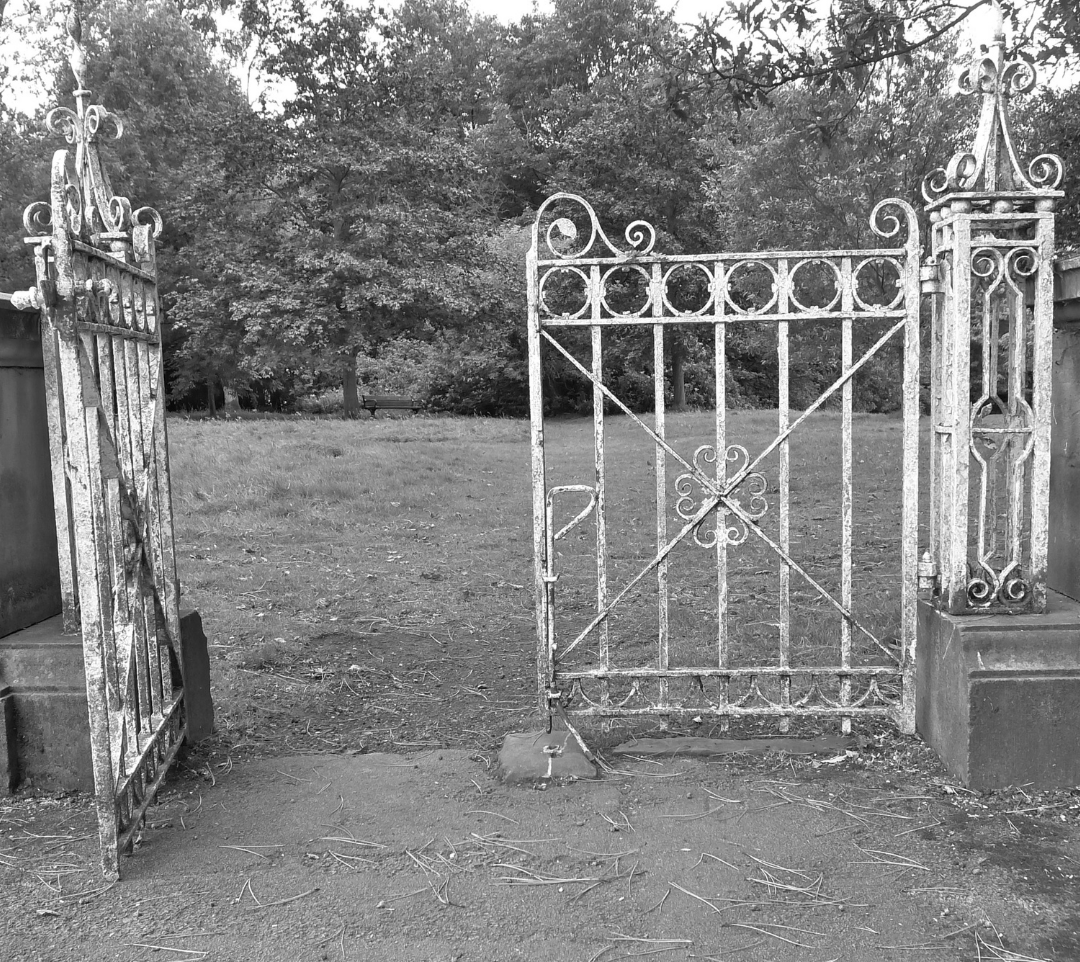
What was remarkable, as I stood and watched long enough – much to the annoyance of my family – was that people were taking the long route around the edge, avoiding the gate.
Dog walkers, families, visitors, my family too – every one of them skipping the gate and finding the long way round to get to the other side.
Nobody questioned it. The gate was closed, therefore the gate was closed, therefore you go around.
Being curious about these things, I wondered why that was. Maybe they knew something I didn't. Maybe there was a sign I had missed. Maybe there was an unwritten rule in Leyland about opening the gate. As in, don't do it.
So, I walked up to it and gave it a push.
It opened immediately. No resistance. No lock. Sure, it creaked, it juddered a little and it left bits of paint on my hand. But it opened, still going strong all these years later – probably wondering why so many people are taking the long way around. If, of course, a gate could wonder.
I find this happens more than you'd think - especially in work. Not with gates obviously, but with the general principle.
The thing that everyone assumes is fixed, locked, not for us, always done this way - sometimes it just needs someone to try it, to open it, to unlock it.
The promotions, our careers, meetings, governance, norms and behaviours, the business itself and, of course, the way ideas move through the business to become valuable.
We assume things are just the way they are and often merely accept it for what it is, even if it's making us take a rather long way around.
Before taking that long way round though, it's worth considering whether what's in front of you is indeed locked.
If so, who decided it? When was that decision made and why? What would happen if we had a go at doing something differently – i.e. pushing open the gate a little? And are we basing what we see on assumptions or reality, rules or norms?
Nobody that day had tried the gate. They'd just looked at it, decided it was closed, and adjusted their route accordingly. We do more of this in work and life than we may realise.
Once I opened the gate, people walked through it.
Where this sits in the Atlas
Orientation·Idea to Value·Communication·Creativity & Climate·Learning
Meeting Notes — weekly
This post was originally sent by email
Meeting Notes arrives each Sunday — one or two thoughts in the margins of that week's writing, plus occasional observations from real work. Free. You'll also receive a short orientation to the work, including a free essay not found on the site, along with a free Public Speaking checklist.