Idea to Value (Physics)
How ideas move to value — the gap, the cost, the runway, and the learning. Articles in this layer explore the systemic forces that determine whether investment produces outcomes.
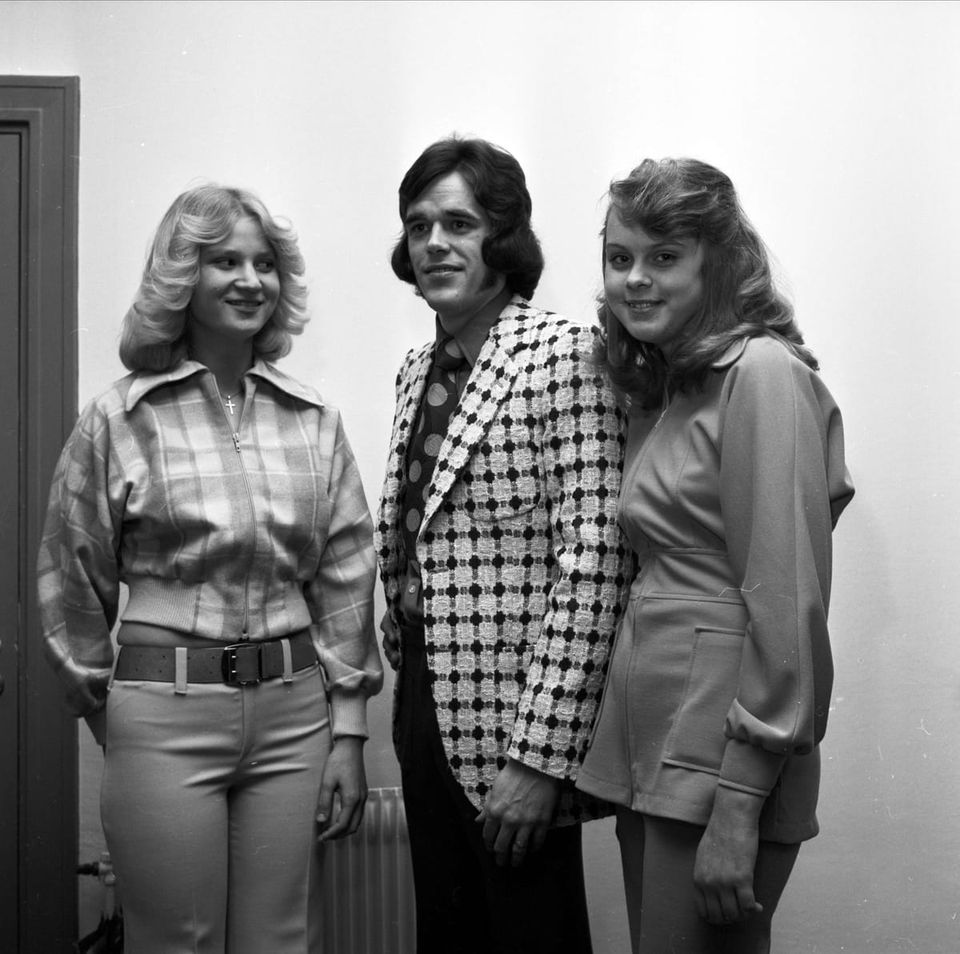
I'm a sartorial disaster. My friend wasn't — and when strangers asked him to make their clothes, he leapt without once weighing the problems that came with it. On the two sides of every coin, and when not to turn it over.
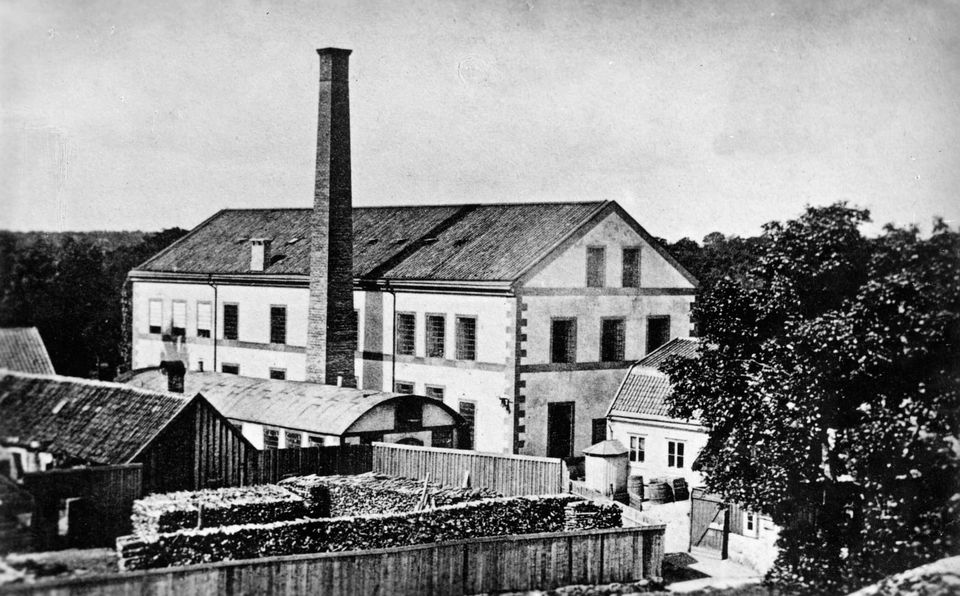
The summer I worked in a snack packing factory, the hopper filtered out everything that didn't fit — without once checking who'd dropped it in. On why most organisations can't.
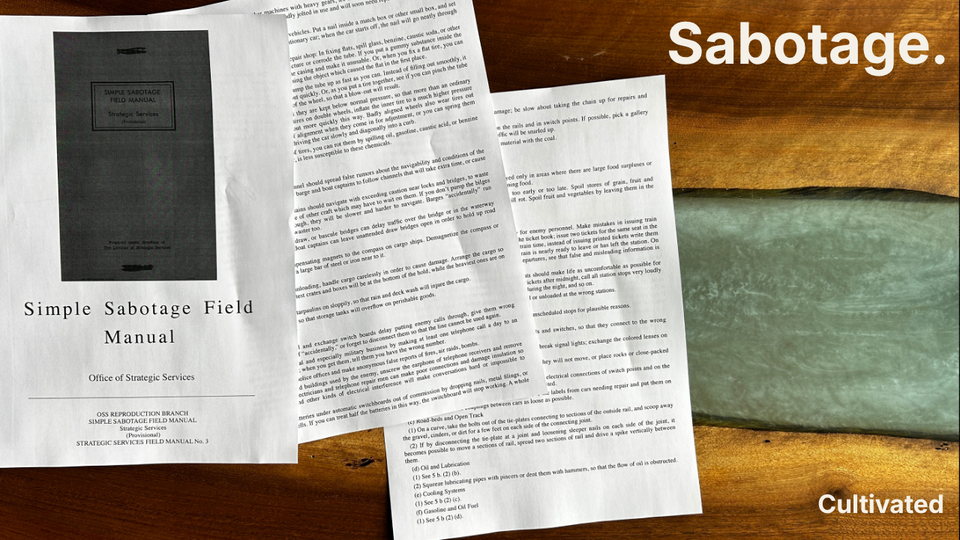
In 1944, the OSS published a manual on how to quietly sabotage organisations. Eighty years later, many of its tactics have become standard corporate practice. Read it and you'll recognise your own workplace.

Editorial space is infinite. Attention space is scarce. Most organisations get this backwards — publishing more content and creating less understanding. A practical case for designing communication for human attention rather than organisational efficiency.

When everything is urgent, urgency loses meaning. A practical exploration of the hidden human cost of competing priorities — how misalignment converts effort into exhaustion, and why clarity is an act of care rather than a management technique.

Plans, roadmaps, org charts — these are necessary objects. But the object is not the work. A thoughtful exploration of why leadership means staying close to reality rather than defending the model.

Customers whose complaints are resolved well often become more loyal than those who never had a problem. A short reflection on why problems are investments — and why trust is built not by perfection but by behaviour when things go wrong.

The Rule of 150 is not really about headcount. It is about the moment when shared meaning stops travelling naturally — when the story that once held everything together begins to thin. A practical exploration of what organisations lose as they grow, and how to protect it.
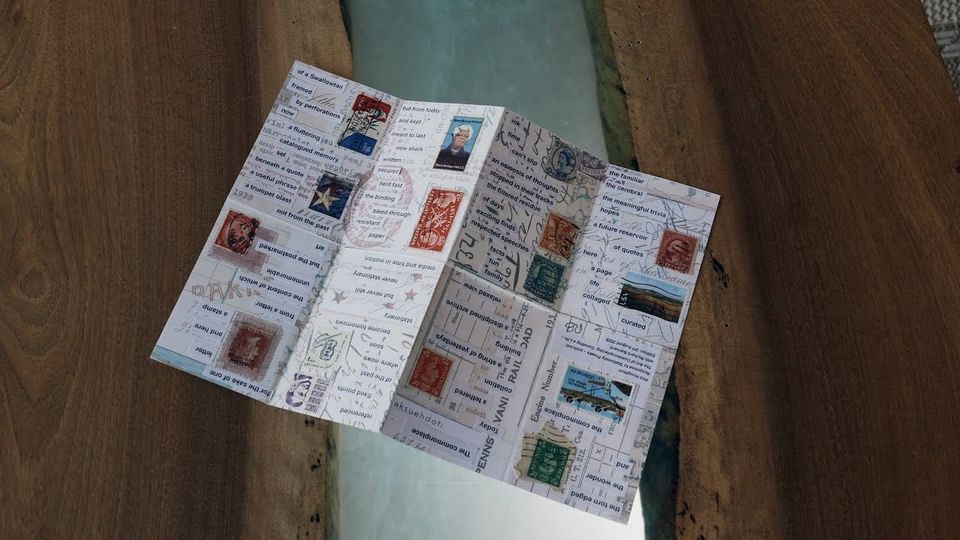
Ideas don't create value on their own. Artefacts do. A podcast became a poem became a zine.