Leadership and Work in Practice

Most organisational problems are not technical. They are interpretive. People misunderstand intent, fill gaps with assumptions, and react to tone as much as content.

After a keynote last week, someone approached me with feedback that was, shall we say, unvarnished. This happens. There is always someone compelled to offer what I now think of as inflicted help.

A keynote is not a performance. It is an act of value creation — where a distilled idea meets scarce attention. How to design a talk that earns what the audience gives.

Teaching in professional settings is less about charisma and more about structure, intention, and respect for attention. This practitioner reflection explores what makes teaching effective at work.

Most organisations talk about goals as if they are administrative necessities — set in quarterly cycles, tracked in dashboards, reviewed in performance conversations. Yet quietly, almost invisibly, goals perform a deeper function.

Management is not execution against a perfect plan. It is the quiet craft of assembling people, tools, and constraints into something that works. This essay explores bricolage — the creative act of building with what you have — and why it sits at the heart of resilient leadership.
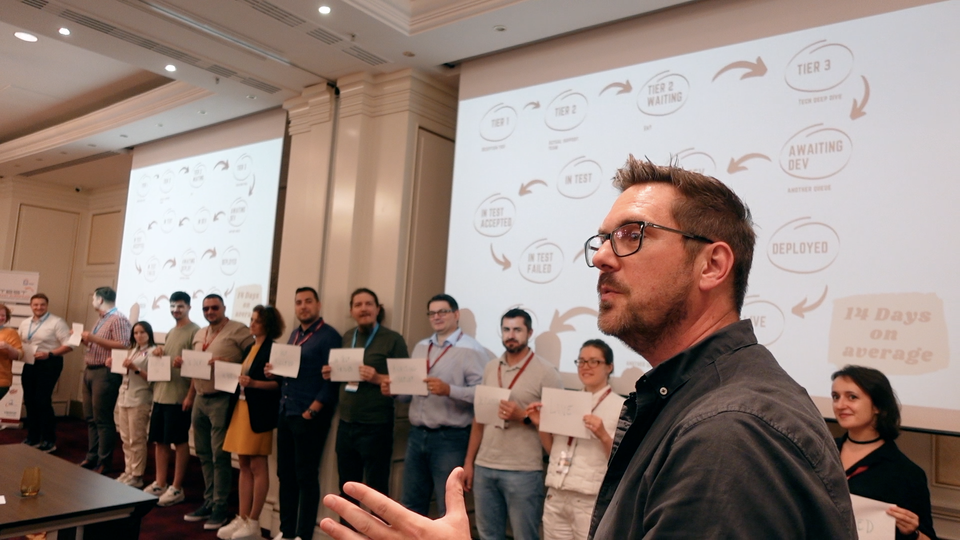
The way you speak shapes whether people understand, engage, and remember what you teach. In workshops, business sessions, and conferences, clarity is everything.

Teaching is not a training function — it is daily leadership practice. A reflective essay on learning, leadership, and organisational capability.

Planning sharpens thinking, but plans often become bureaucratic artefacts. A reflection on why “very good” plans outperform perfect ones in real organisations.