Idea to Value (Physics)
How ideas move to value — the gap, the cost, the runway, and the learning. Articles in this layer explore the systemic forces that determine whether investment produces outcomes.

We are drawn to mechanisms. Frameworks. Methods. Processes. But mechanisms are internal cost. Outcomes are external value. A short, sharp essay on why clarity of purpose must come before any debate about method.

Rory Sutherland has a rare gift for saying uncomfortable truths with warmth and humour. One observation landed hard: creativity is scarce in organisations not because people lack imagination, but because systems quietly discourage it.

We often talk about learning as something we consume. But learning only becomes meaningful when it changes behaviour.

I rarely use the word "Agile." It carries too much baggage. And yet, not a month goes by without someone asking about an "Agile PMO."

Idea to Value is often mistaken for a delivery model. It is not. It does not prescribe agile, waterfall, or portfolio mechanics. It is a way of seeing.

In every workshop or leadership conversation, someone asks the same question: "What technology would you recommend to solve our problems?" There is always a new option. Always a silver bullet.

The economic premise beneath the Idea to Value system is simple: financial value appears only when we create something worth paying for — and someone is willing to pay for it. Everything else inside an organisation is cost.
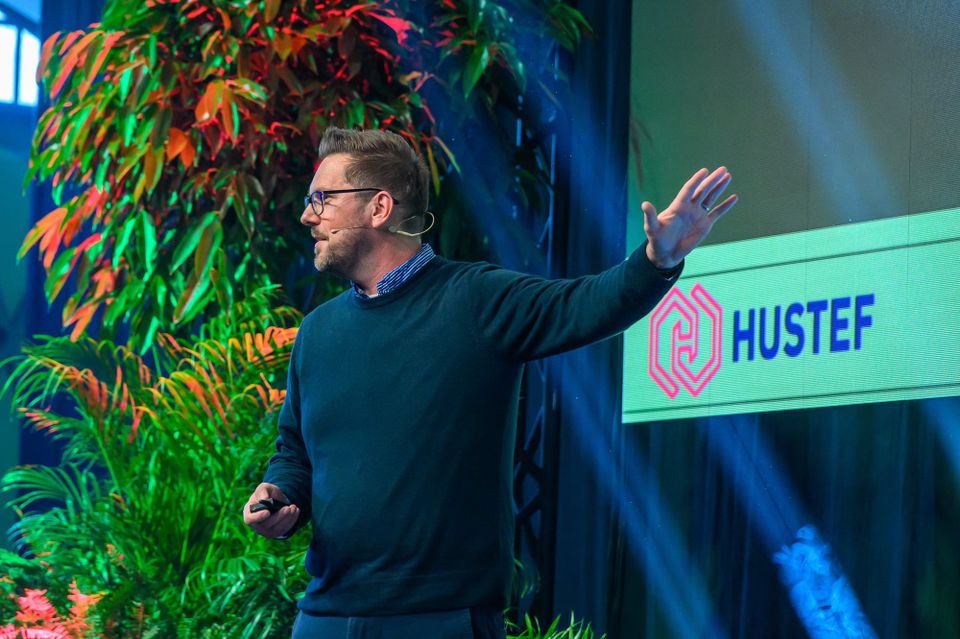
A keynote is not a performance. It is an act of value creation — where a distilled idea meets scarce attention. How to design a talk that earns what the audience gives.

Most organisations talk about goals as if they are administrative necessities — set in quarterly cycles, tracked in dashboards, reviewed in performance conversations. Yet quietly, almost invisibly, goals perform a deeper function.