Analogue Practitioner
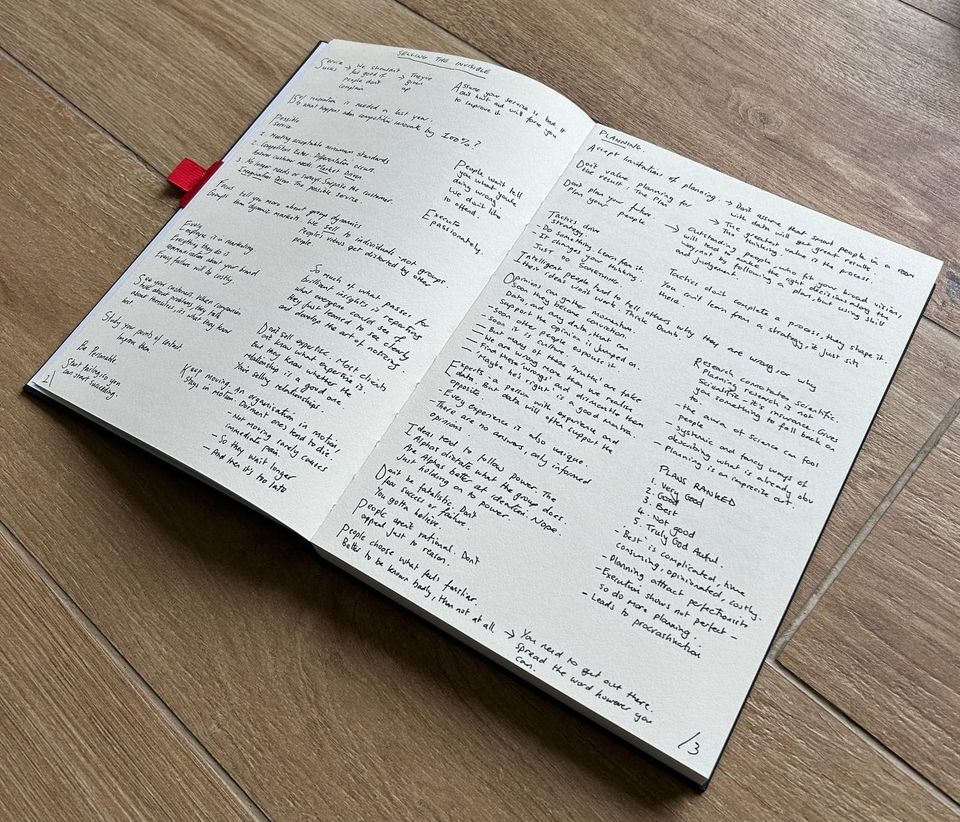
Collecting isn't learning. A personal knowledge system — Capture, Curate, Crunch, Contribute — for turning what you read into what you do.
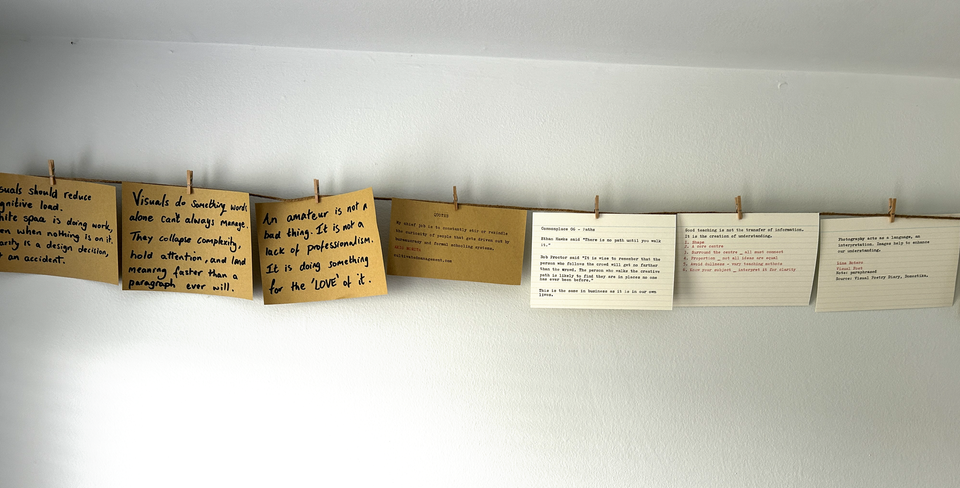
It was some time in the mid to late 80s. A café in Bristol, a man sitting alone, and a twelve-year-old with a new notebook writing his first ever note. Thirty years on, that habit became all of this — and now a good part of it goes public.

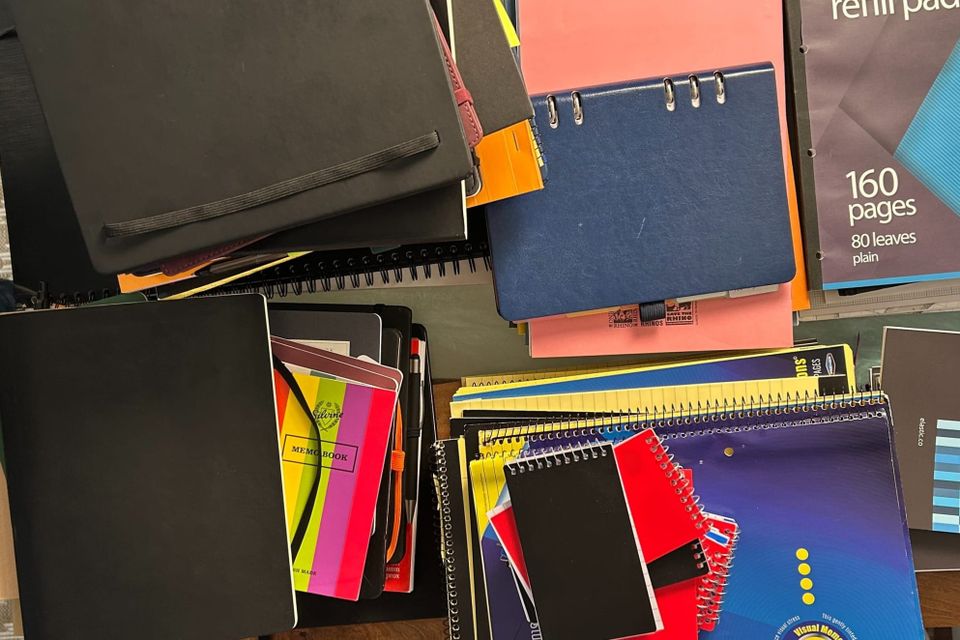
I use a lot of paper. Not out of nostalgia. Not out of rebellion against digital tools. I use paper because it changes how I think.
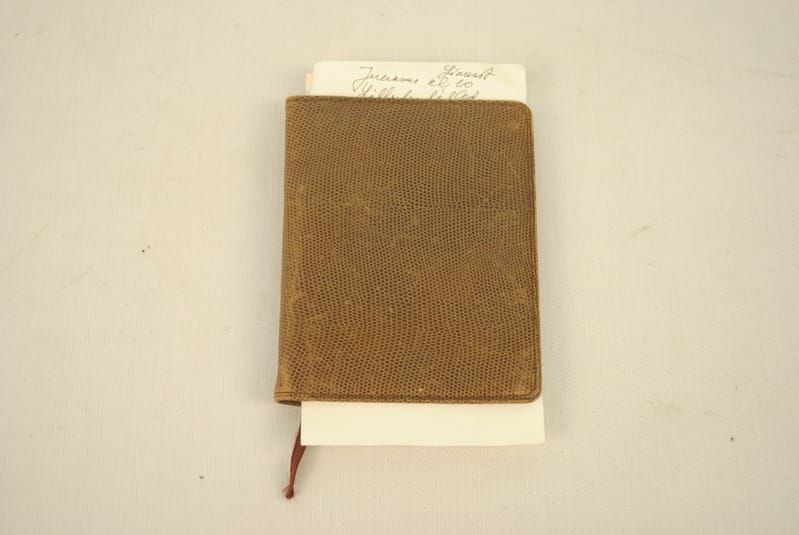
In a world built for speed, a blank notebook offers something rare: bounded space, physical presence, and attention with a bit of friction. On analogue tools not as nostalgia, but as environments for thinking.

Images don't argue — they present. A practical essay on why visual thinking is underused at work, and how photographs unlock insights that language alone cannot reach.
I discovered the Cornell Note-Taking Method over a decade ago and promptly ignored it. It sounded dull and academic. Then I tried it properly. I have not really stopped since.
For many years I have kept a notebook I call my commonplace book. It is not a diary, not a planner, not a system for getting things done. It is a personal library for thinking — a place where ideas wait until they are needed.
Why every productivity system — a bullet journal, a to-do list, a huge platform — is just a container and rules.