Change: The Making Of
What if organisational change came with its own documentary? Not a polished film made at the end, but an ongoing series that shows the change happening, told by the people doing the work.
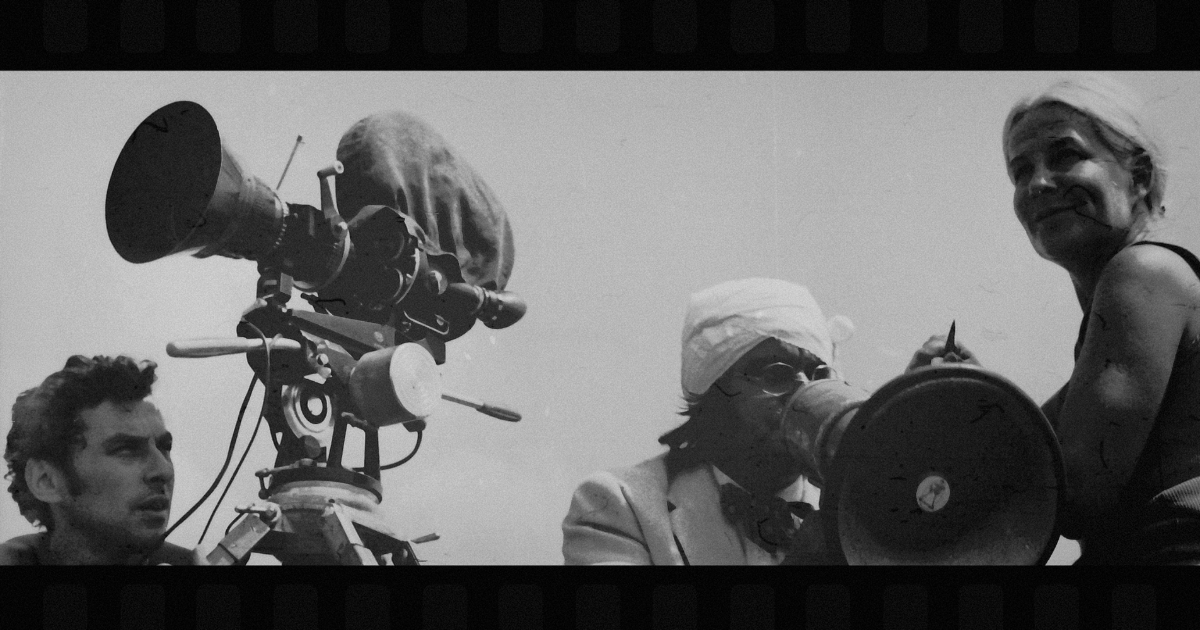
What if organisational change came with its own documentary?
Have a look at the Netflix top ten this week. In the UK at least, around half of the shows up there are documentaries.
YouTube is much the same. Someone restoring a knackered old boat or car. A family building a house on a cliff for some strange reason. A chef trying to get through a single Saturday night in a busy restaurant. Millions of us will happily spend an evening watching other people get on with things.
I first noticed this as a teenager, volunteering at the Sheffield International Documentary Festival. I'd expected a handful of creative people in a chilly cinema. Instead the rooms filled up, and most of the films were very good indeed. People turned up in numbers to watch other people's stories.
We're nosy, basically. Lovingly, usefully, ever so interestingly, nosy. We want to know how other people do things, what went wrong and how they got out of it. The social media crowd have a phrase for it, document your life; show, don't tell, and annoyingly they're onto something. We're curious people by nature.
Which makes it rather interesting that when organisations change, we mostly do the opposite.
All trailer, no film
Many organisations communicate change in a familiar way.
There's an all-hands. There are slides, a great many slides, usually sent round by email, which is a bit like posting someone an old-school reel of film and asking them to hold it up to the light to make sense of it.
There are strategy documents and target operating model designs in stunning fonts with elegant lines and boxes, roadmaps with glorious milestones, Gantt charts, timelines and a carefully prepared communications plan. Managers get briefed. Playbooks explain the new world, sometimes in too much depth. Updates go out through the usual channels.
None of this is wrong. People need direction, clarity and reliable information. A good change programme needs structure, and a bright, clearly painted picture of where it's heading.
But almost all of it describes the change.
Very little of it shows the change.
Anyone who's bought a house will know the estate agent's floor plan is a genuinely useful visual. It tells you where the walls are and how big the kitchen is and how many rooms there are. But I've yet to meet anyone who fell in love with a house from the floor plan – let me know if that's you.
You fall for it walking round: noticing the light, picturing your things in the rooms, working out where the kettle goes, seeing how many cupboards there are, imagining how you'll live in it, seeing the potential – and the compromises.
Operating model diagrams are floor plans. We hand people the destination, beautifully drawn, and rarely take them on the journey.
Behavioural scientists have a name for something close to this: the labour illusion. We tend to value things more when we can see the effort that went into them. It might be part of the appeal of an open kitchen in a restaurant. We don't tend to book a table to watch someone scrub a pan or peel some carrots, but seeing the work going on behind the pass makes the whole place feel more trustworthy, and the meal feels better for it.
Change programmes tend to keep the kitchen door firmly shut and rarely show us the person peeling the carrots.
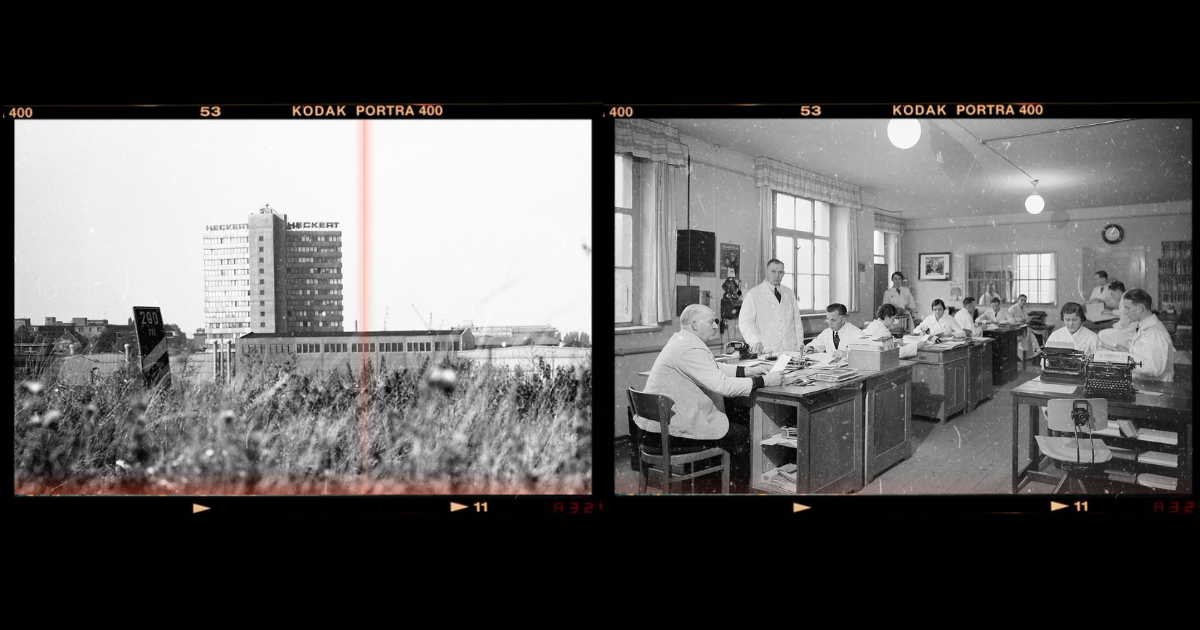
So what if we documented it?
When I work with clients on change, I float an idea I call, rather originally, the change documentary.
Not a polished corporate film made at the end, with drone shots and a stirring soundtrack with stock video of racing cars and sports teams winning. Something more immediate and human. An ongoing series that shows the change happening, told through the people doing the work.
Picture a channel dedicated to the change. The plans and milestones are in there, and they earn their place. But mostly it's run by a small editorial team – rather like a documentary crew embedded in the organisation – working with a handful of people across it: leaders, project teams, people in operational roles, subject matter experts and the people making it all happen.
They capture the work as it happens, in photographs, short films, interviews, audio, written reflections, sketches and notes.
What builds up over time is a narrative of change as the people in the organisation actually live it. Not just what the organisation intends to do, but what people are doing to make it happen.
Not every client likes the idea. Some balk at showing the messy middle. Others jump at it. I understand the nerves, but in my experience every structured change programme has a messy middle, whatever the slides say.
And the messy middle is the most interesting bit.
The TV show Grand Designs would be a very short, and dull, programme if it only showed the plans and then the finished house. What makes it appealing is the middle: the budget running out, the glass that doesn't fit, the experimental insulation, a couple standing in a muddy field with a mug of tea - pregnant of course, wondering what they're doing with this project and whether it's going to end well.
That's the story. The problems, the people working through them, the moment a new way forward appears, aiming towards something better.
It's about as human as it gets, which is exactly why it works.
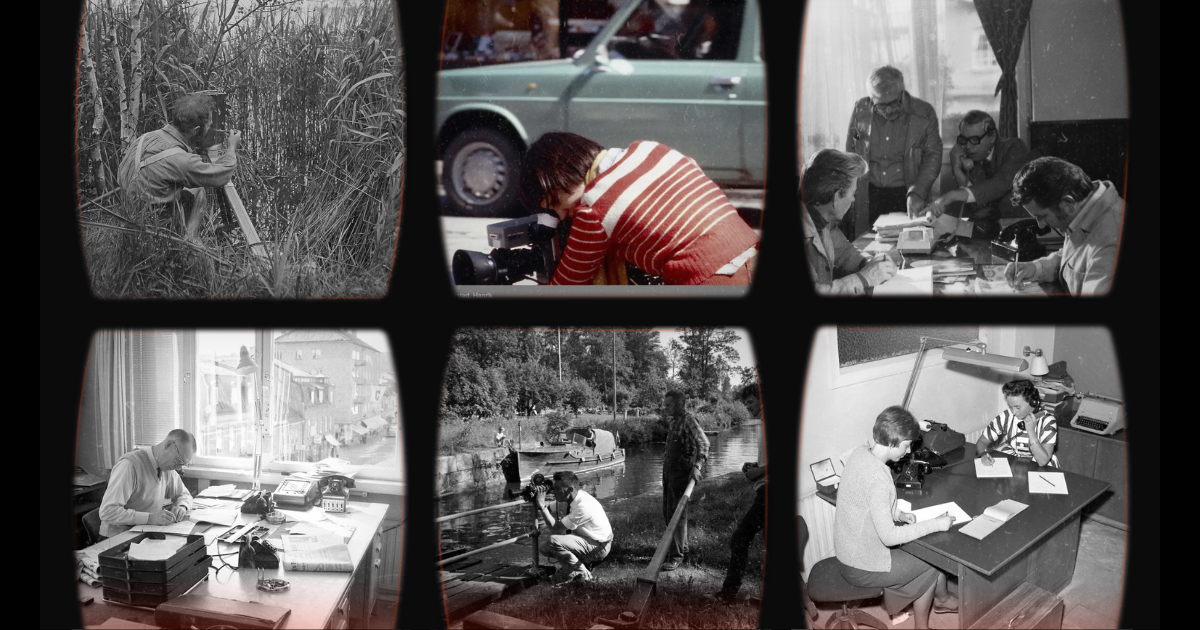
The series, episode by episode
If I were pitching this to a TV show commissioner, it would be a series in seven episodes. Not a rule book. Think of it as a running order you'll rearrange, chop, mix and cut the minute you start capturing it.
Episode one: The cast
On screen: a portrait of someone in the business. Not a head shot. A real person, in their own surroundings, doing their job.
In most change communication, the people living through the change tend to be treated as extras. They're in the background of the leadership presentations, mentioned now and then in the third person, consulted for ideas every so often.
Give them speaking parts.
Who are they? What are they working on? What do they think needs to get better? What are they looking forward to, and what's worrying them? Change is lived by individuals, teams and communities, so let them tell it.
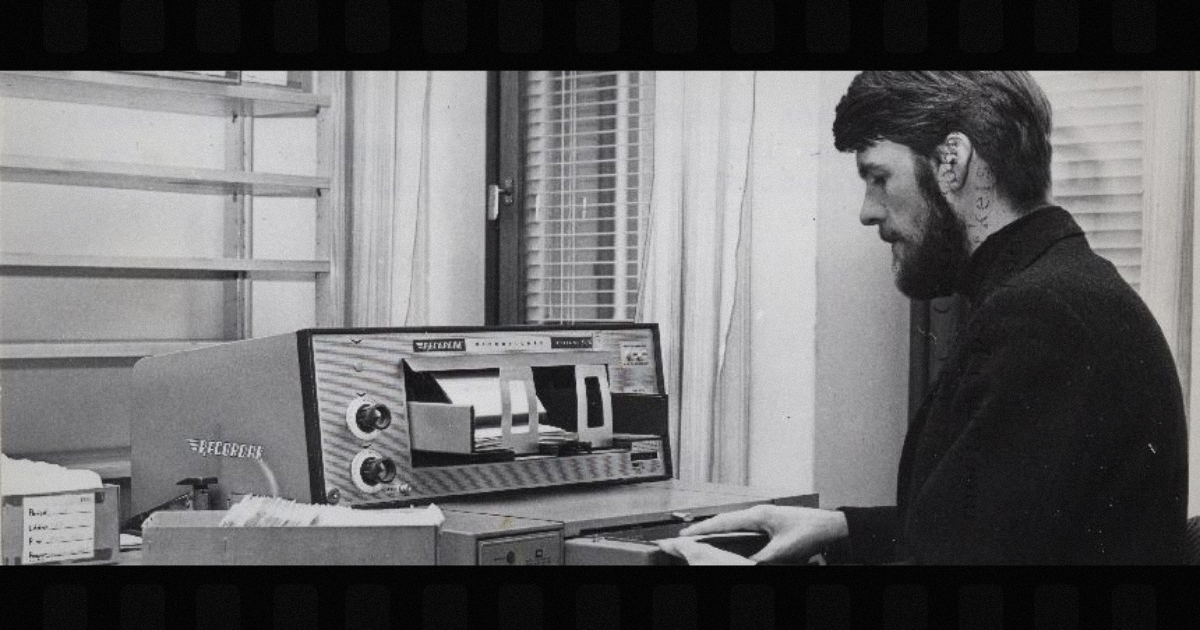
Episode two: Behind the scenes
On screen: a workshop in full flow. A wall of notes, a team arguing over an idea, someone sketching a new way of working on a flipchart.
Anyone who bought DVDs will remember the extras disc, and the excitement of watching it, knowing it might actually be better than the film.
This is that episode.
The workshops, the conversations, the awkward questions, the decisions, the things being tried and tested, the joy, the frustration, the worry, the movement.
Why does this particular problem matter, and what are people doing about it? Most of the thinking, effort and collaboration in a change programme happens out of sight. It needn't.
There's a happy side effect. People tend to care more about the things they've helped build and can see themselves as being part of. Behavioural scientists call it the IKEA effect, after the flat-pack wardrobe you're irrationally proud of building, even if it is leaning at a funny angle, the door won't close and you put the backing board on with the wrong side facing in.
Seeing the work in progress, and spotting colleagues in it, brings people a little closer to feeling the change is theirs and not being done to them.
Episode three: Show the work
On screen: someone demonstrating a new tool, a team trying a different process, new equipment going in.
An announcement that a new way of working is coming is the floor plan again. Watching someone actually work that way is the walk round the house.
Follow a team as they try something different. Put the old process next to the new one. Linger on the small details that make the difference. What's become easier? What's still awkward? What have they learned? What's not better?
People who glaze over at an abstract future operating model often get it straight away when they watch a colleague doing the job differently, or demonstrating new behaviours.
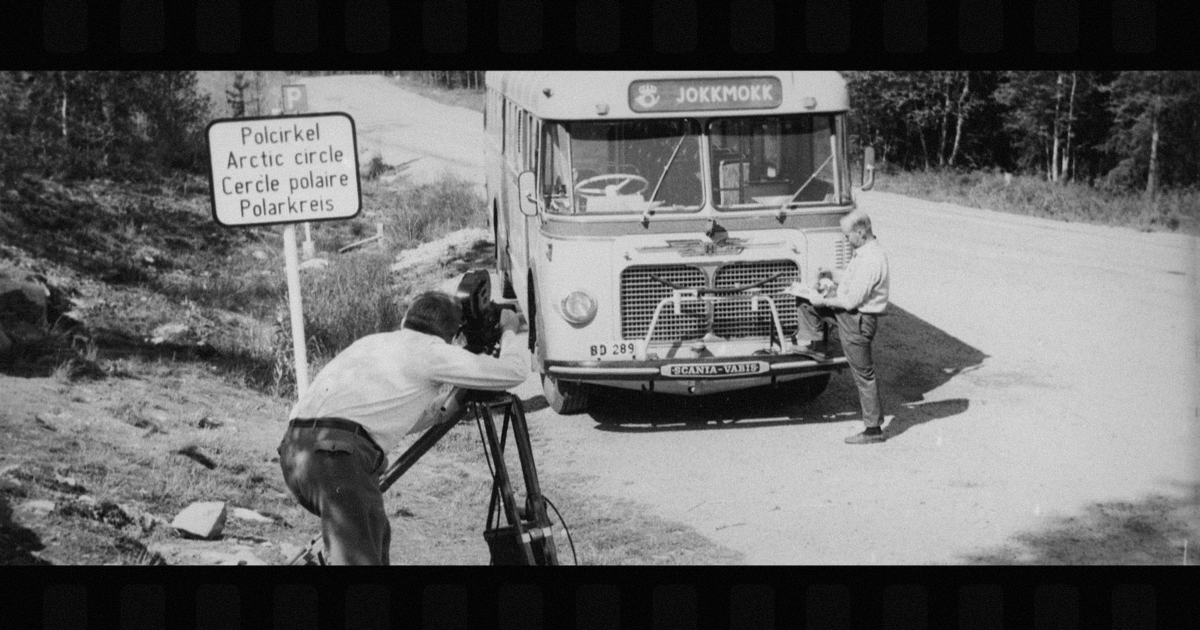
Episode four: On location
On screen: a run of photographs from different sites, teams and corners of the business.
Change rarely happens in one place at one time. Some teams are well ahead – close to the change already. Some are just getting started. Some are dealing with something else entirely. Some are keeping the customers happy whilst the world around them is moving.
It's like the same recipe cooked in different restaurants, and the interest lies in those differences.
Show how the same ambition is being interpreted across the organisation, so people can see they're part of something bigger, without pretending everyone's experience is identical.
Episode five: The leader, walking, talking and changing
On screen: a candid conversation with a senior leader, ideally walking through a workplace rather than sat behind a desk.
Leaders still matter. They need to explain the ambition, the reasons and the decisions. And a big part of any change programme is not whether it's the right decision to change, but whether than change was rightly decided upon. Show the details. Why this change? Why now? What will change?
Not through a prepared statement read to camera – that's the least interesting thing a leader can do on film.
The better version is a leader thinking out loud. What have they learned? What's surprised them? Which decisions were genuinely hard? What happens next? Then let people ask them questions. Leaders are part of the cast, not the whole show.
Episode six: The small wins
On screen: a team gathered round something they've made or fixed. A real moment.
Not every meaningful moment deserves a press release. A team finally solves a problem that's annoyed them for years. A new process removes a pointless step. Someone's idea gets picked up by a team two floors down and improved even further. Something works for the first time and there's a small cheer.
These are the scenes people remember. They show what progress actually looks like, and they connect a grand ambition to an ordinary Tuesday – when the platforms fallen over and the Crown and Anchor across the road looks like a more soothing place to be.
Episode seven: What we've learned
On screen: a notebook, a whiteboard after a workshop, a few honest lines from someone involved.
Change is rarely a straight line from plan to completion. Some things work, some don't, and some turn out differently to how anyone expected. And some things, as always, get missed.
So every so often, pause and look back.
What did we learn this week? What would we do differently? What have we changed our minds about? What still needs attention? An honest account of progress is far more useful than a continuous stream of good news. It's far more watchable, too. It's far more real.
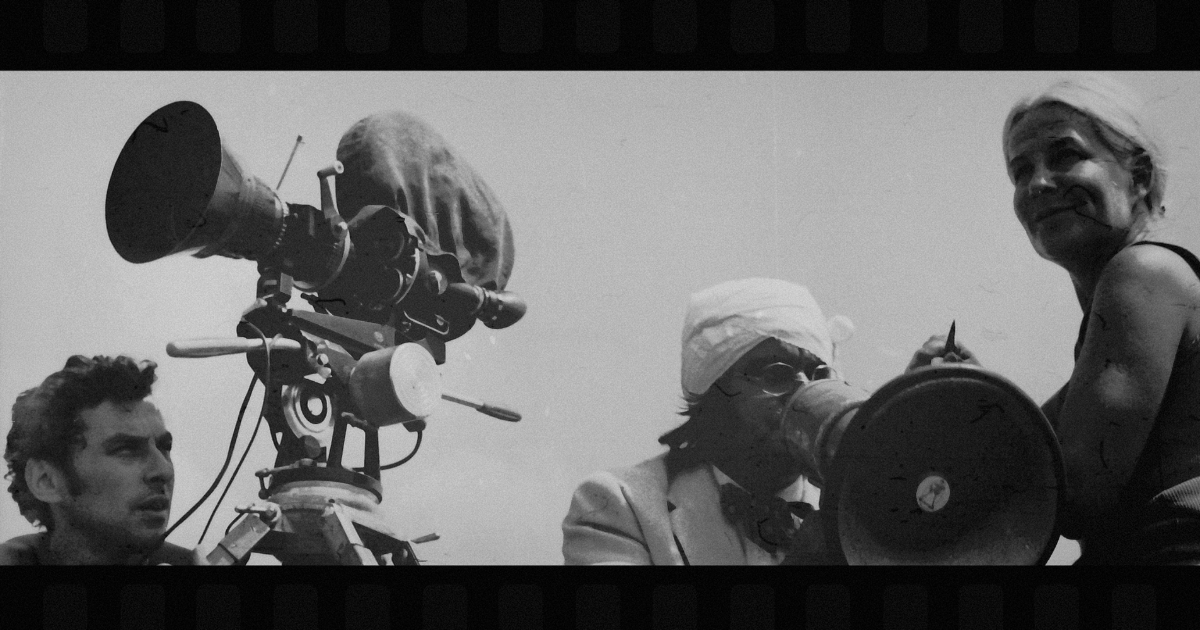
The painted picture, in motion
Here's why the idea interests me so much.
Most change programmes start with a painted picture: a description of what the organisation will look like when it's done. That matters, enormously. People need to understand the ambition and have something to move towards, and to see themselves in that story of the future.
But a painted picture doesn't have to be a still life of some distant destination. It can be a living picture of the journey as it comes to life. Paint the future, then bring it to life through the work, the people and the decisions that are making it real – and show it.
The ambition provides the direction. The documentary shows the movement.
And something rather important happens along the way. As people see more of the journey, they start to spot where they fit in it. That's the difference between telling people about a change and helping them see themselves in it.
Notes from the edit suite
None of this means opening an internal social channel and asking everyone to post photographs, updates and videos. Far from it. It's not fifty random streams of content. It takes editorial thought and a bit of discipline. Happily, documentary makers have worked most of it out already.
Every documentary has an editor.
One person, or a small team, owns the look, the feel, the tone of voice and the overall story.
Without them, you get another corporate channel full of disconnected updates. There must be some editorial oversight and accountability.
Get the release forms signed.
Not every conversation, decision or piece of work belongs in the public story.
Protect commercially sensitive information, personal information and confidential discussions. Get consent from the people you feature, and take particular care around individual performance and difficult situations.
Don't stage the scenes.
A proposal isn't a decision. An experiment isn't a proven solution. A draft operating model isn't the final one.
Be clear about what's known, what's being explored and what's actually been agreed. Trust takes a long time to rebuild once people discover the story wasn't quite true.
Leave the outtakes in.
This isn't a publicity channel for the programme. It's not marketing.
If something hasn't worked, say what happened and what's being learned. If there are open questions, say so. People are remarkably good at recognising when they're being sold a story.
It's the documentary, not the news.
The documentary doesn't replace all-hands meetings, formal announcements, conversations with managers or proper change documentation. Those still matter, especially when decisions affect people's roles, responsibilities or jobs.
The documentary gives the context and shows the progress. The formal channels carry the authoritative information people need to make decisions.
Find the through-line.
Individual stories are interesting. Connected to the bigger ambition, they're powerful. Every episode should help answer one question: what are we trying to make better, and how does this piece of work help?
From plan to story
Organisations aren't short of change plans. They have roadmaps, milestones, governance structures, work-streams, communications calendars and documentation by the shelf-load.
What they often lack is a way of helping people experience the change as it unfolds: the ambition, the people behind it, the work going on and the progress being made.
We spend an enormous amount of time explaining what organisations are going to become.
Perhaps we should spend a little more time showing them becoming it.
Don't just tell people about the future. Let them watch it taking shape.
Where this sits in the Atlas
Orientation·Idea to Value·Communication·Creativity & Climate·Learning
Photos used:
- Rudolf Zimmermann filmt by Möbius, Walter (Herstellung) (Fotograf) - Deutsche Fotothek, Germany - CC BY-SA.
- Hjälmaren filmas 19 juli 1967 Båt som håller på att åka genom slussen.
Fotograf som filmar, och två andra män ser på. by Örebro Kuriren - Örebro County Museum, Sweden - Public Domain. - I en automatisk arkivfilmningskamera matar Göran Johansson in en bunt insättningsnotor. Apparatens osvikliga "ettdokumentkontroll" är förutsättningen för mikrofilmningens värde. - Postmuseum, Sweden - Public Domain.
- Ørsted, Henrik - Oslo Museum, Norway - CC BY-SA.
- Păcală 20 - Romanian National Film Archive, Romania - CC BY-SA.
- O lebădă iarna 11 - Romanian National Film Archive, Romania - CC BY-SA.
- Jokkmokk, Polcirkel, Sverige by Nilo, Rune, redaktör - Postmuseum, Sweden - Public Domain.
- Büro by Hanisch, Willy (Herstellung) (Fotograf) - Deutsche Fotothek, Germany - Public Domain.
- Bürohochhaus by Schumacher, Klaus-Dieter (Herstellung) (Fotograf) - Deutsche Fotothek, Germany - CC BY-SA.
- Office work by Saarinen, UA - Finnish Heritage Agency, Finland - CC BY.
- Kontorsmiljö by Andersson, Arne - Bohuslän Museum, Sweden - Public Domain.
- Kontor by Andersson, Arne - Bohuslän Museum, Sweden - Public Domain.
- Kimberley, South Africa: sorting stones in a diamond office. Woodburytype, 1888, after a photograph by Robert Harris. by Robert Harris - 1888 - Wellcome Collection, United Kingdom - CC BY.