Leadership and Work in Practice

On why people always move to your behaviour, not your words - and why that's not cynicism, but exactly how trust works.

On what hierarchy is actually for, and why flattening the org chart rarely fixes the thing you're annoyed about.
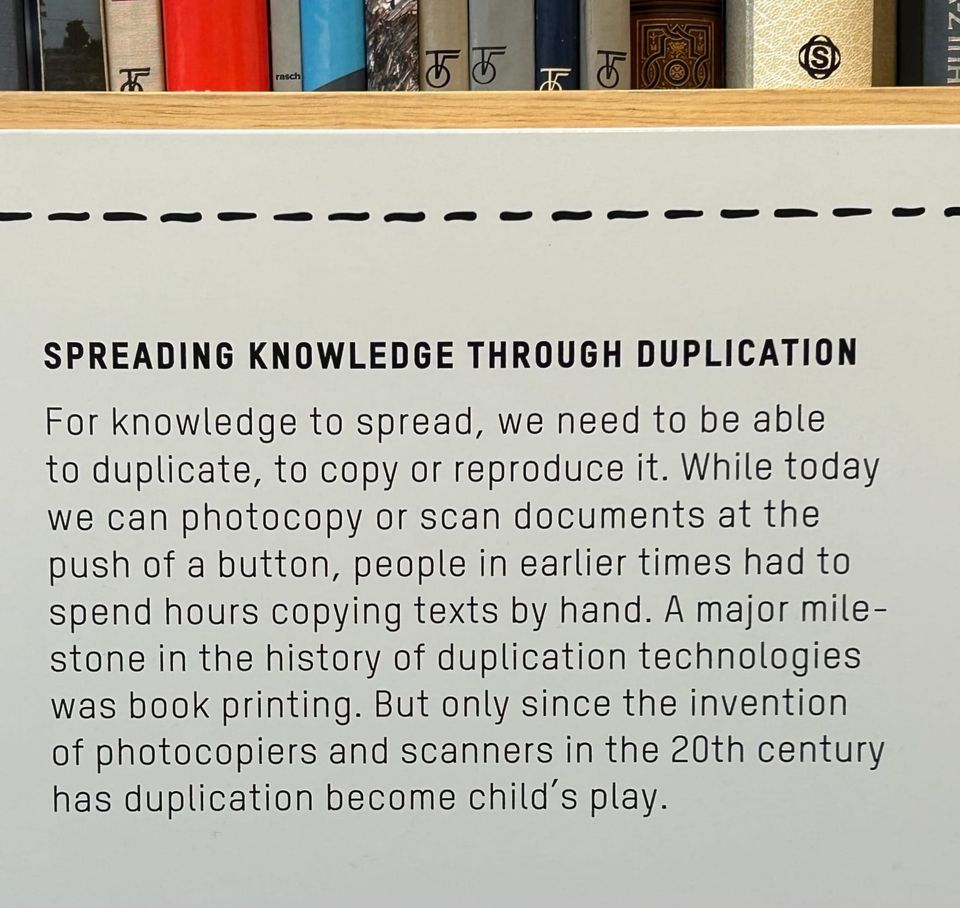
On why distribution - not the idea - is the real lever, and the difference between a channel you own and one you rent.
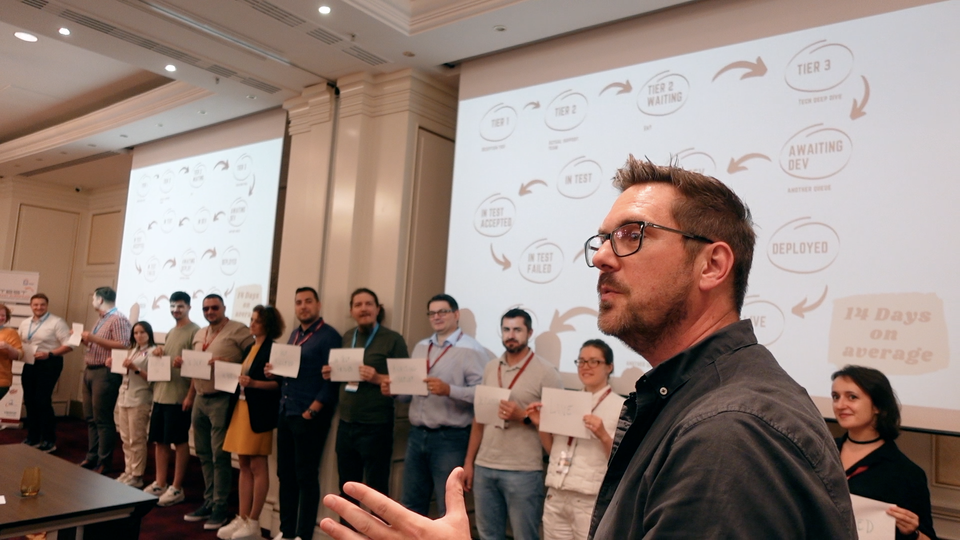
People hand a workshop teacher the things they can't get back — time, energy, attention. On why running one is teaching, not facilitating, and the craft that difference demands.

On protecting the fragile beginnings of ideas, in others and in yourself.

A practical guide to backcasting: mountains, waypoints, the grid, and the conversation everyone skips.
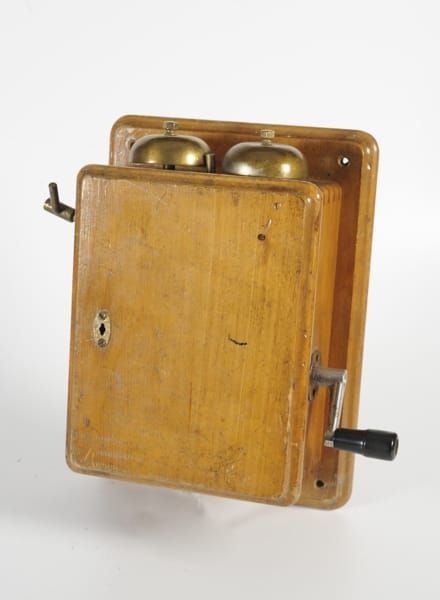
On the same February day in 1876, two men filed patents for the telephone, hours apart. Which tells you something about genius: the idea was never the rare part. On why the lone-genius story is almost always a team with the room cropped out.

Why clarity matters in messy creative work. We don't need to know every turn, but without a clear destination, good people can spend enormous effort going in the wrong direction.

On why we confuse shipping with value, and the three questions Henry James asked of any work - the last of which almost nobody asks.