Creativity & Climate (Engine)
Creativity and climate — the conditions that allow good work to happen. Articles in this layer explore environment, energy, creative practice, and what leaders do to make good thinking more likely.

A reflection on teaching, attention, and why dullness is a systemic risk in learning environments. Energy, not information, determines whether ideas land.

When work or life feels stuck, clarity rarely comes from thinking harder. It comes from asking better questions. These two questions restore agency, belief, and momentum.
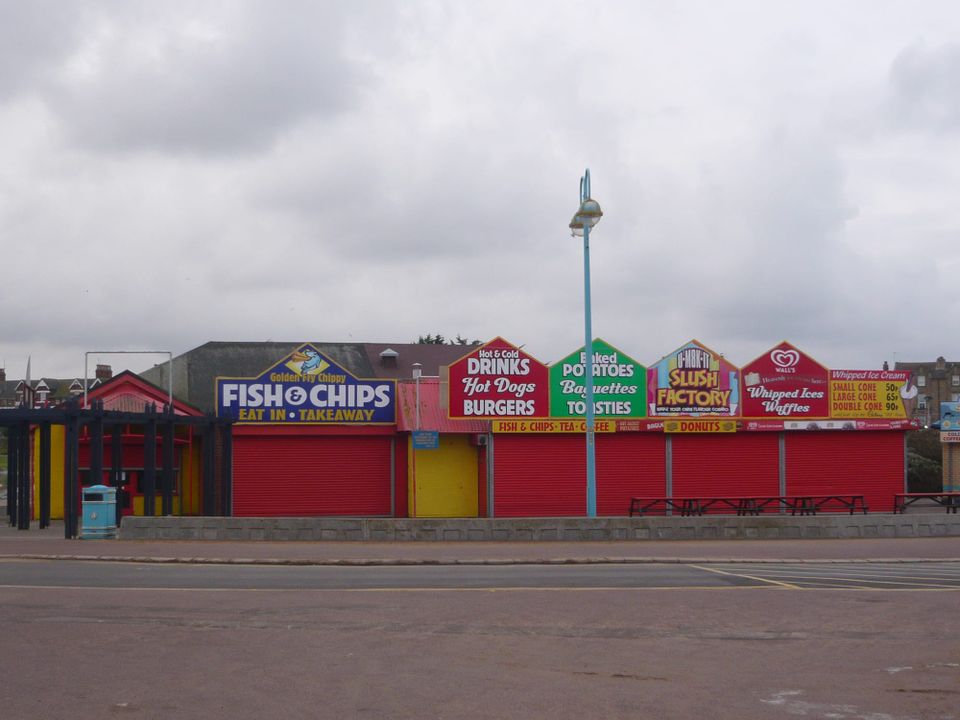
Fail faster is catchy, and half an idea. Every mistake opens a gap between what you expected and what happened — and the honest information is sitting inside it, if anyone looks.

A good induction reassures new hires and helps them contribute quickly. Here’s a practical approach to onboarding that builds clarity, confidence, and momentum.

A catalogue notebook is neither diary nor to-do list. It is a personal archive of ideas, reflections, and plans — a quiet studio for thinking beyond meetings and frameworks.
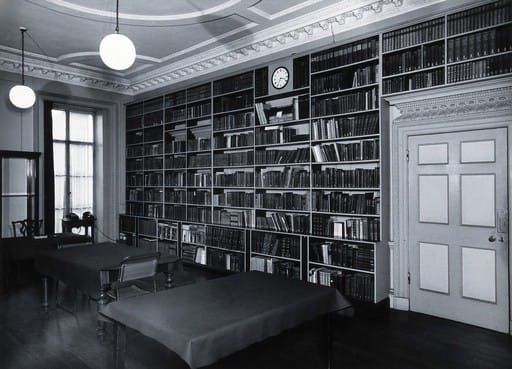
Most leadership advice reads like it was written at an airport gate. The real work is smaller and more interesting: the good coffee, the quiet corner, the books on the shelf, whether anyone learns your name. Rules for the modern manager — none of which will trouble a competency framework.

Salary is a blunt instrument. Culture is the other side of the employment exchange. In this Studio essay, I explore cash and culture as two sides of the system that shapes why people join, stay, and leave organisations.

Training spreads information. Proximity spreads judgement. Why being near excellence remains one of the most powerful ways to learn.

Many leaders talk about building a learning culture. They invest in platforms, courses, certifications, dashboards. They measure hours, completions, compliance. And yet, very little changes.