Oslo, with no plan
Four days in Oslo, one day of work, a lot of wandering, a trip out onto the fjord and four films made. On flânerie, attention and what happens when you stop asking a walk to be useful.
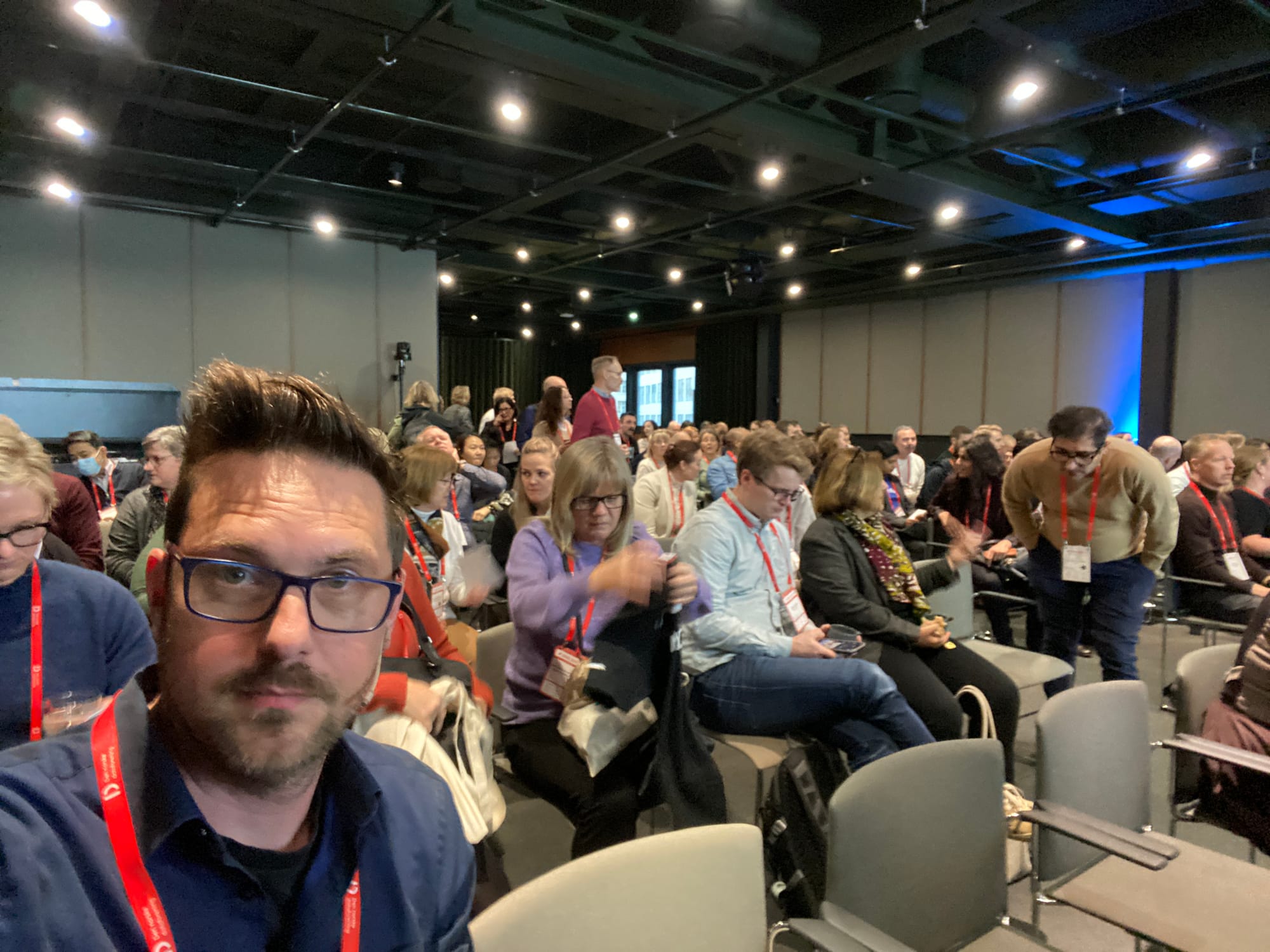
A few years I was in the cold and beautiful city of Oslo to run a workshop and speak at a conference. That was the official reason, anyway.
But as with many conferences, I tend to tag on a few days too – four days in total to be precise. With only around one day of work, the rest of the time was mine.
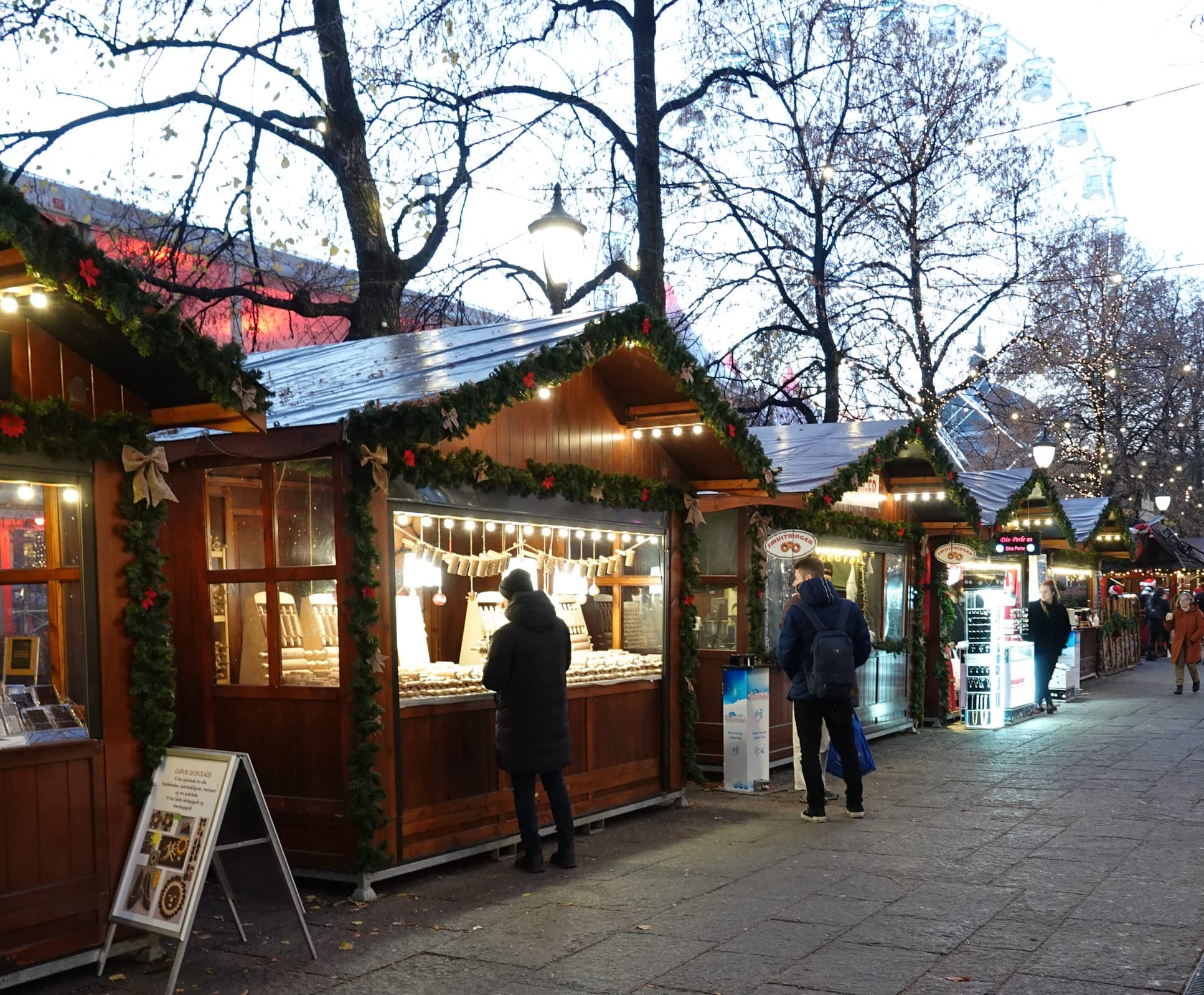
Oslo is a wonderful city to explore, especially around Christmas time.
So, I walked a lot.
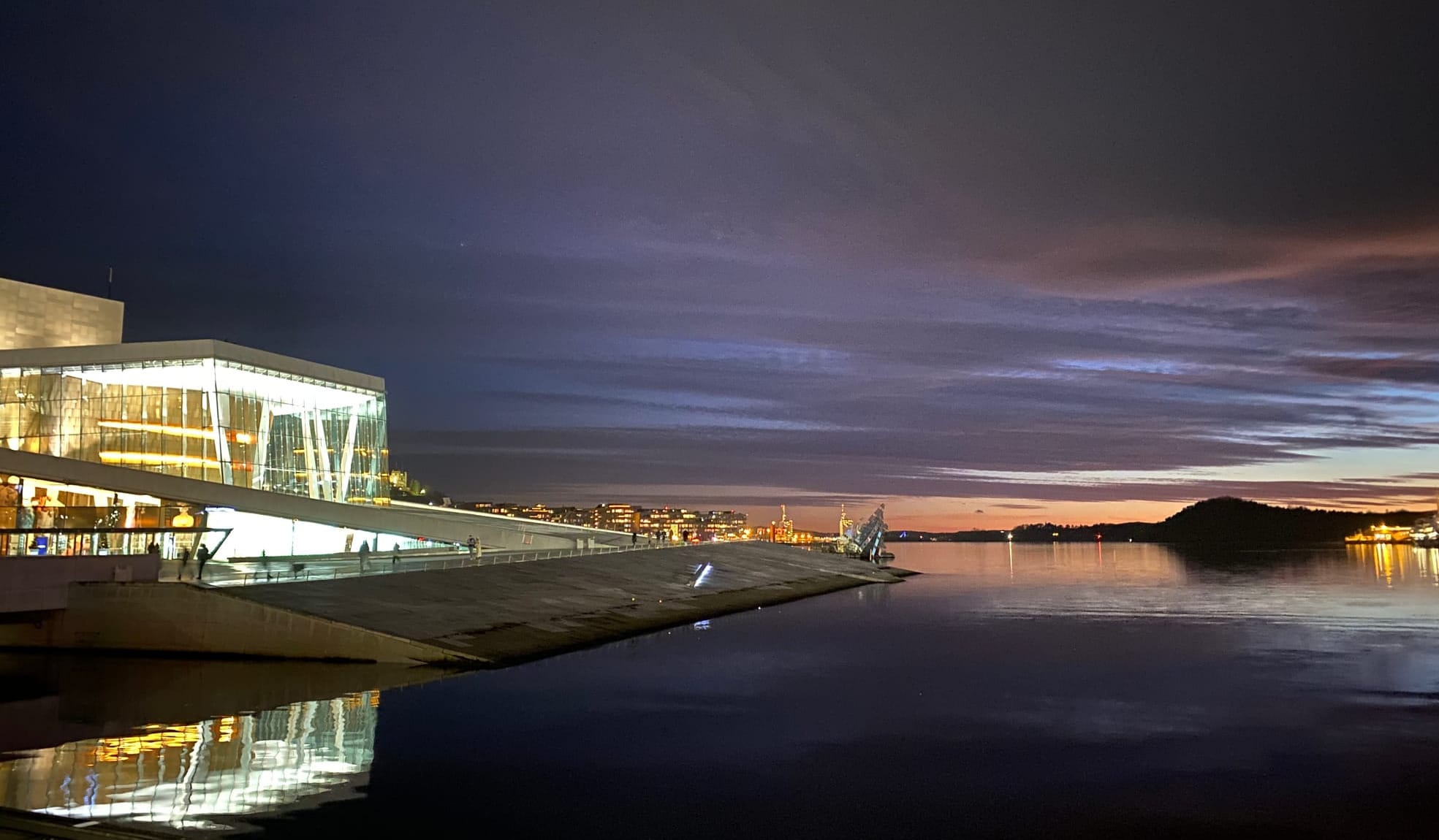
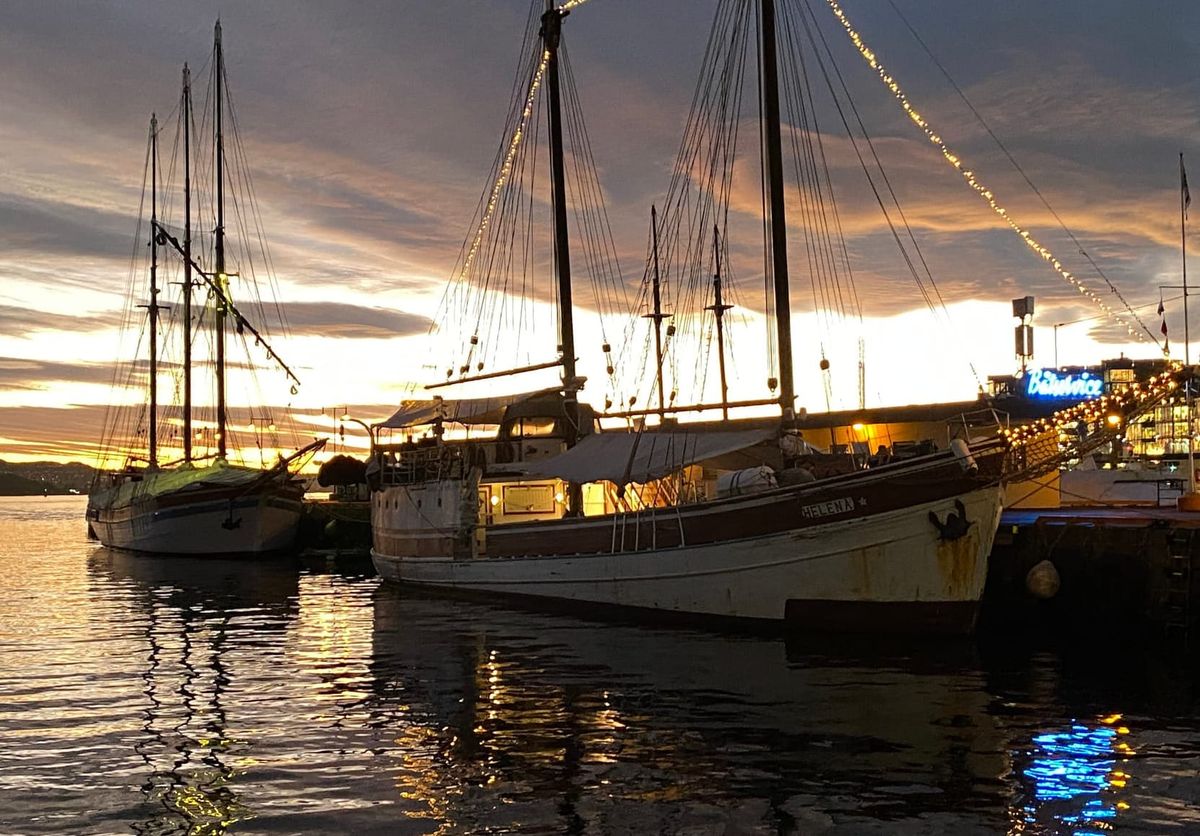
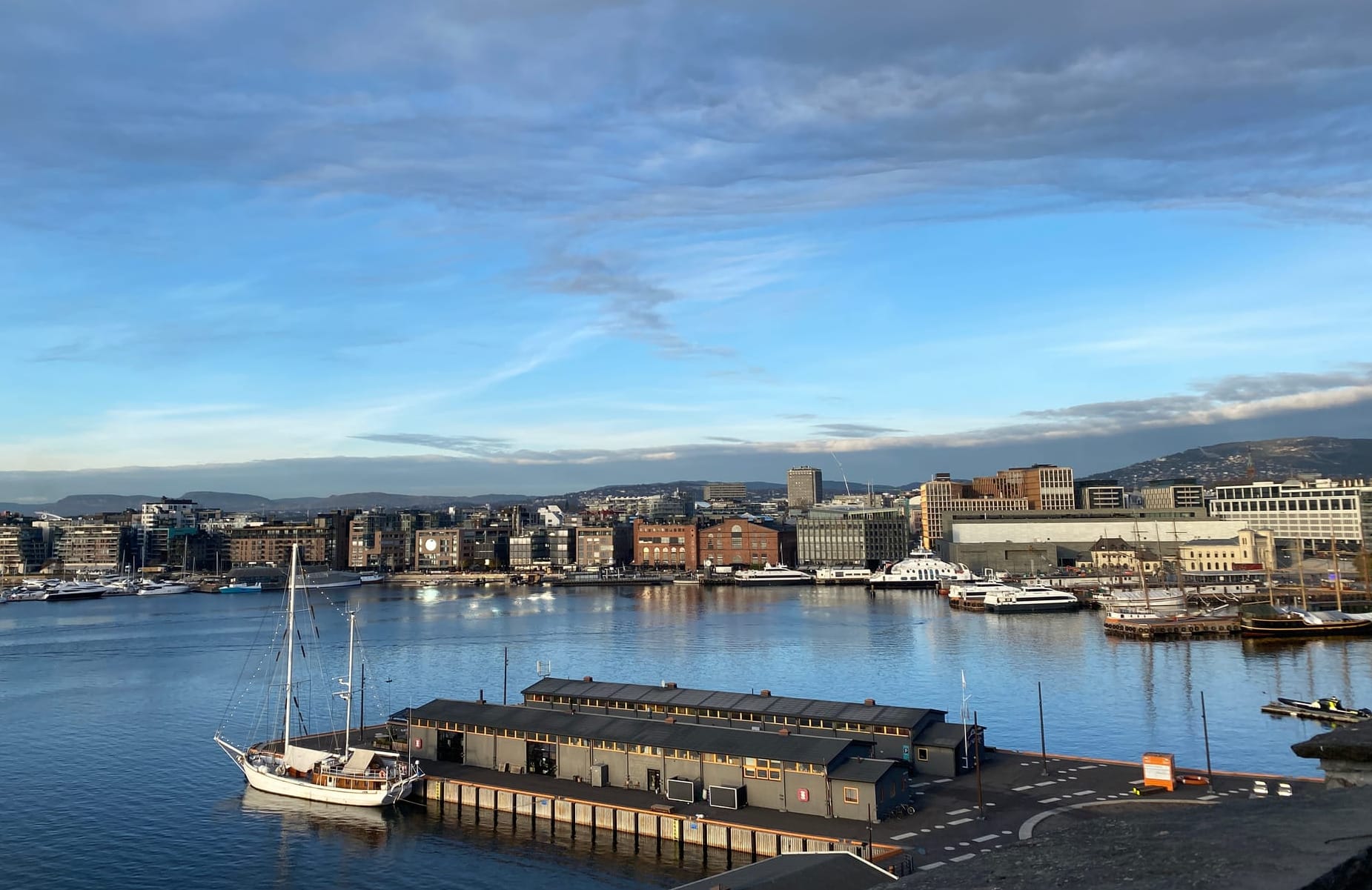
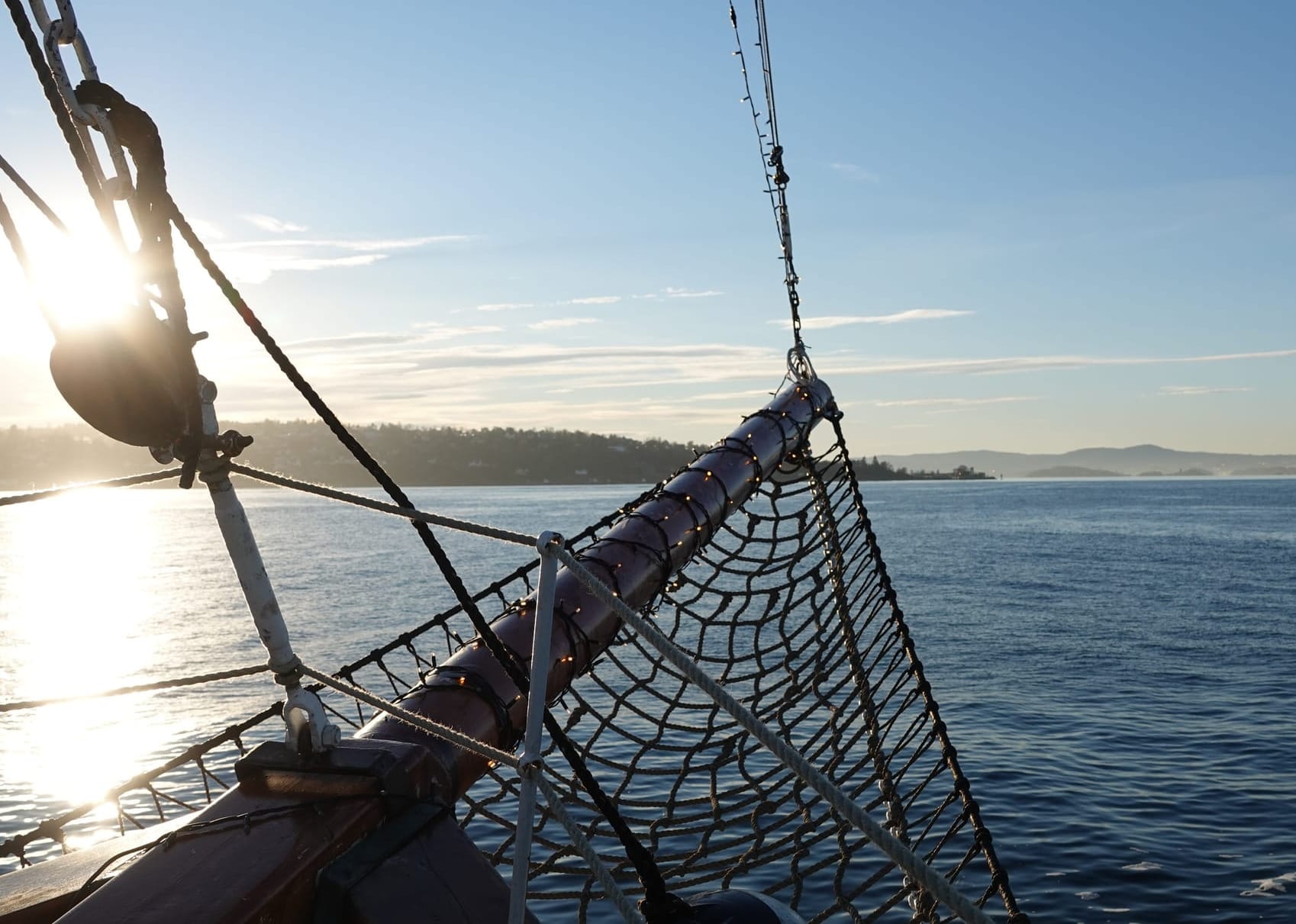
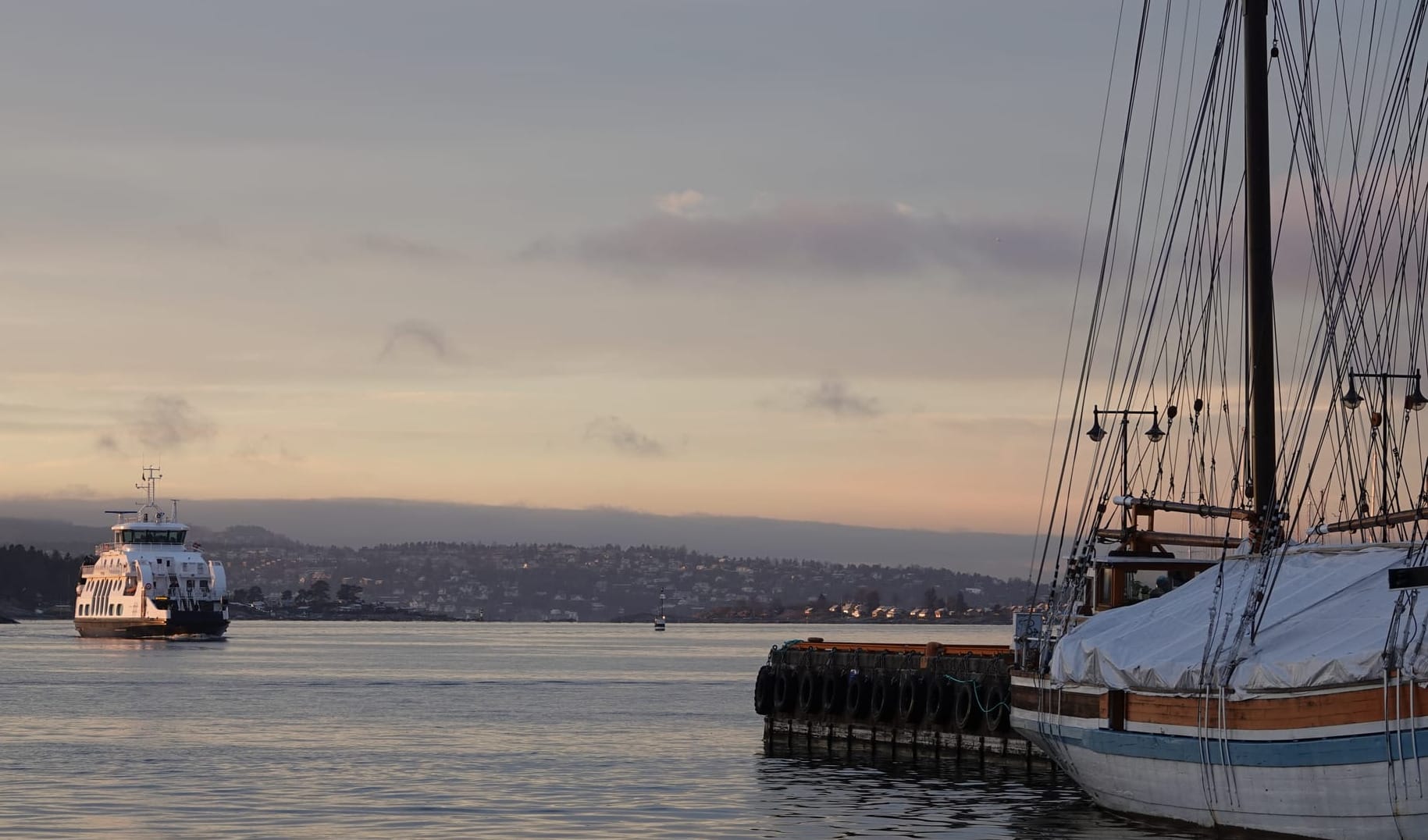
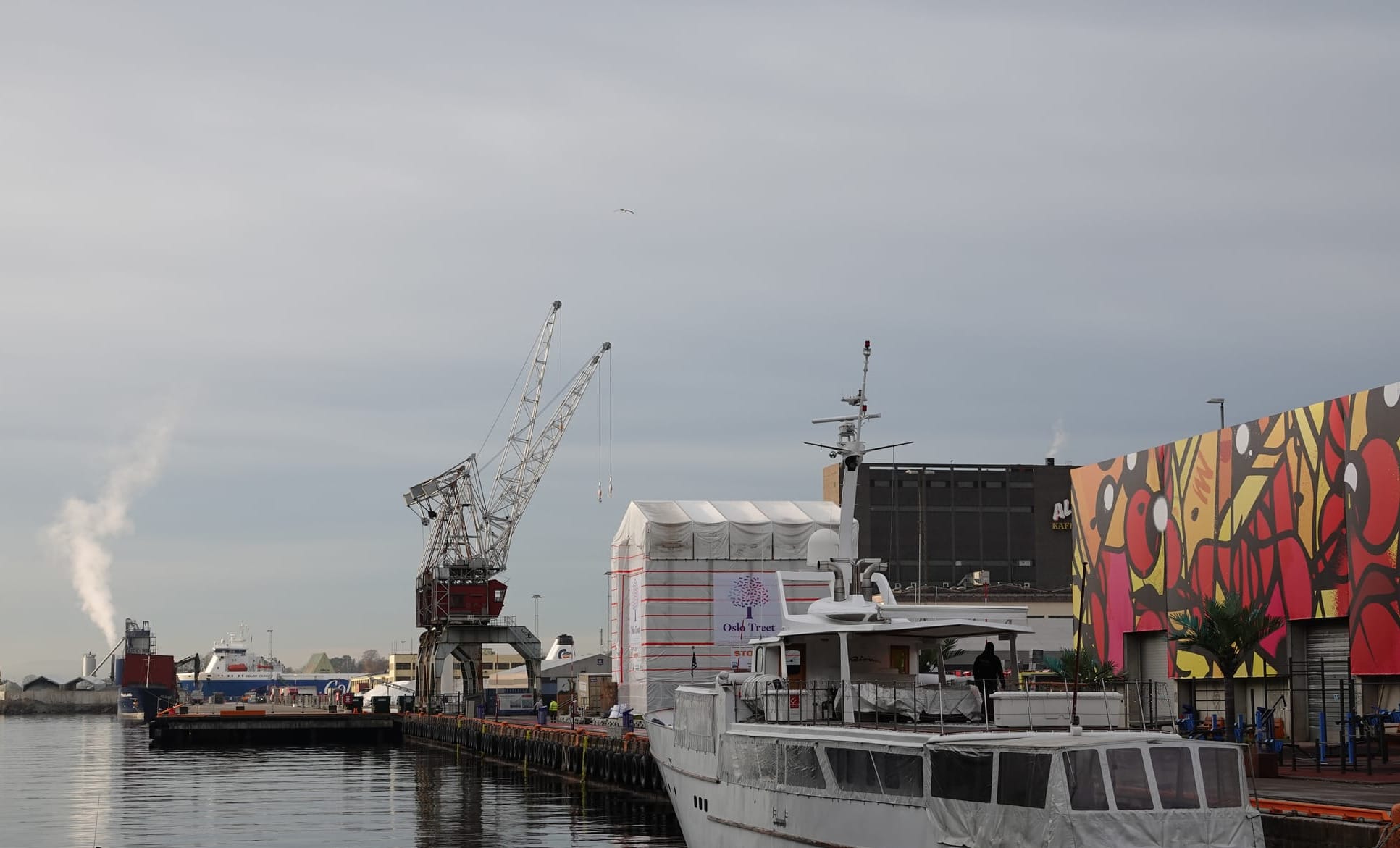
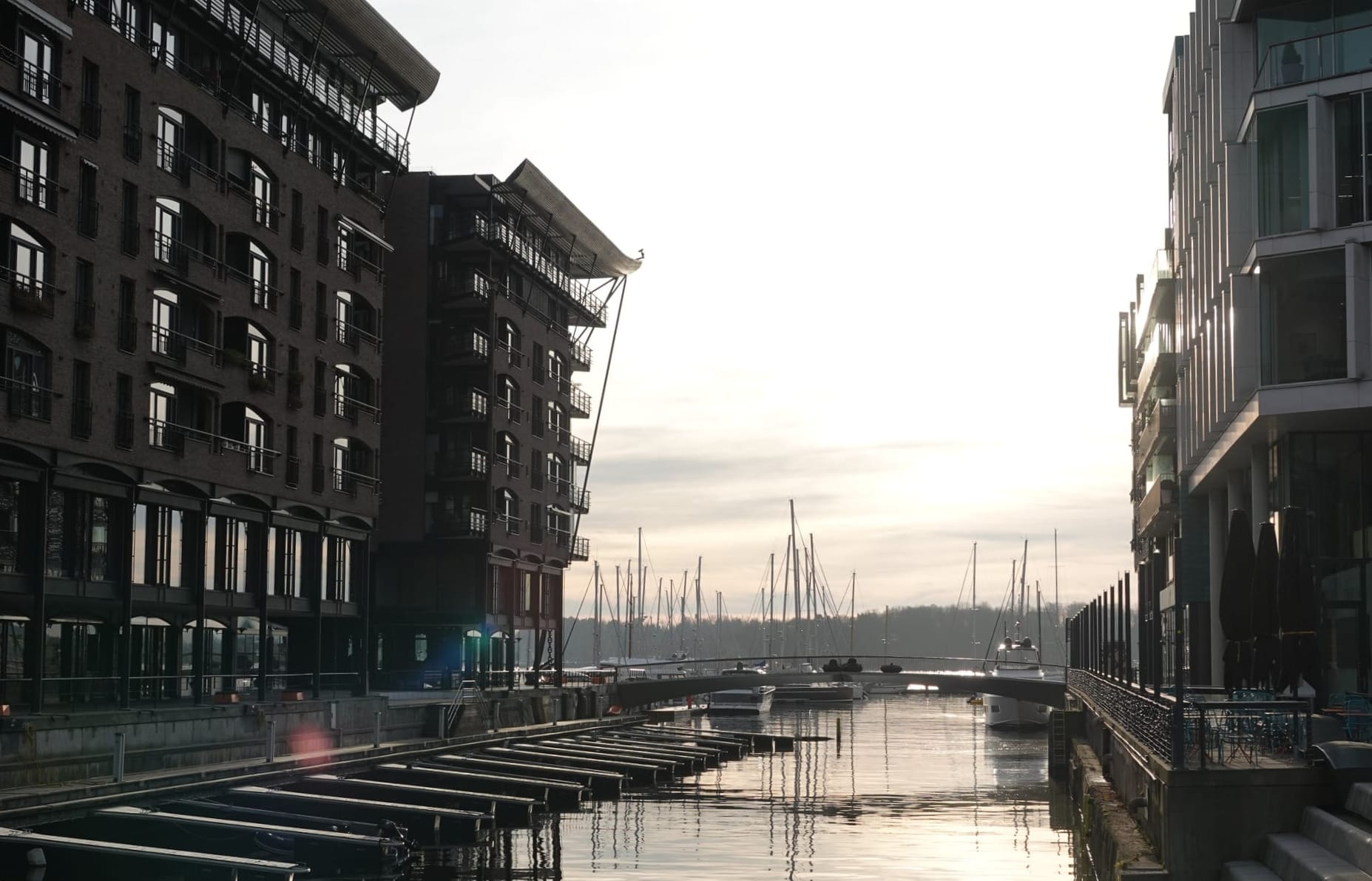
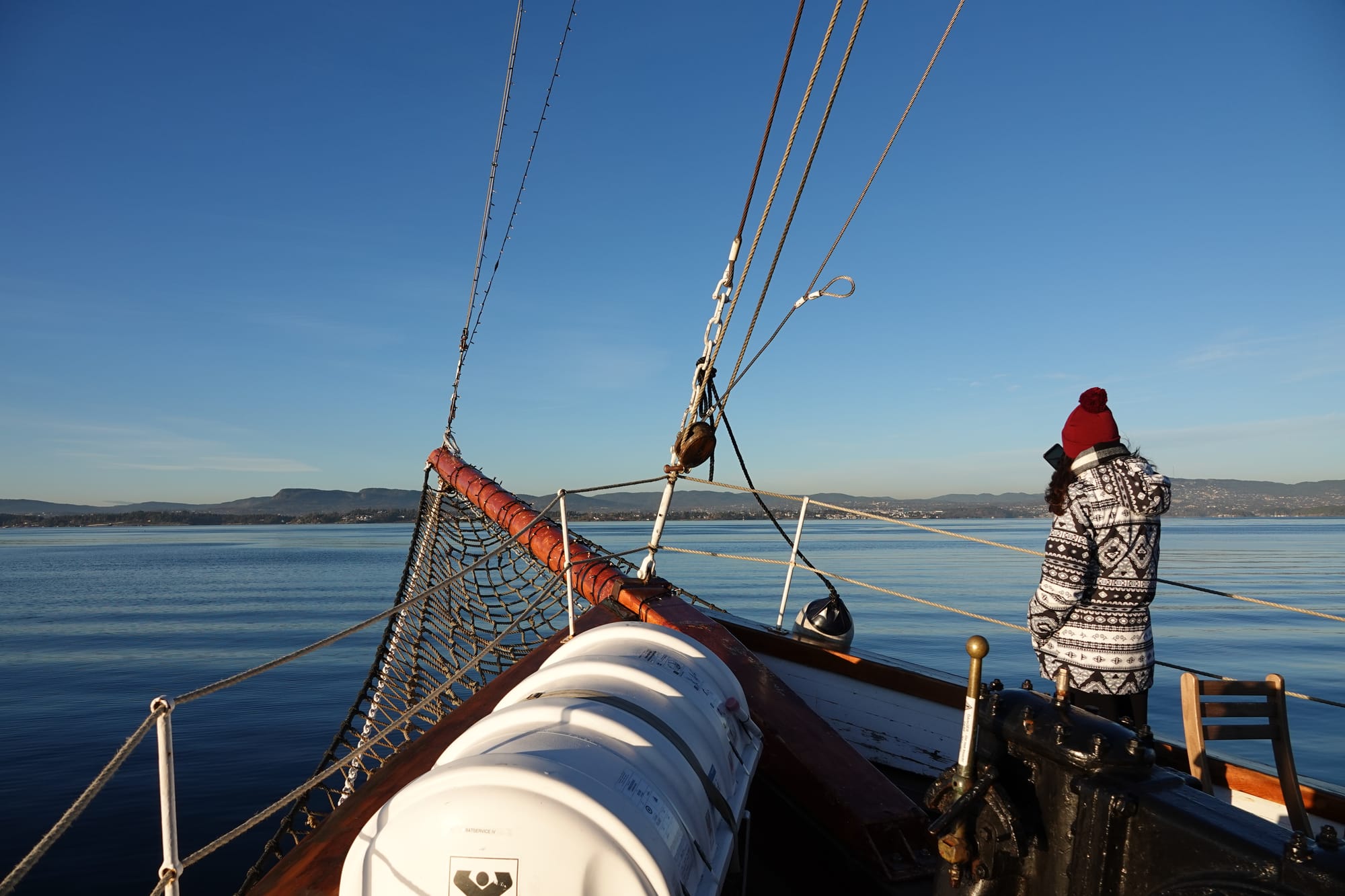
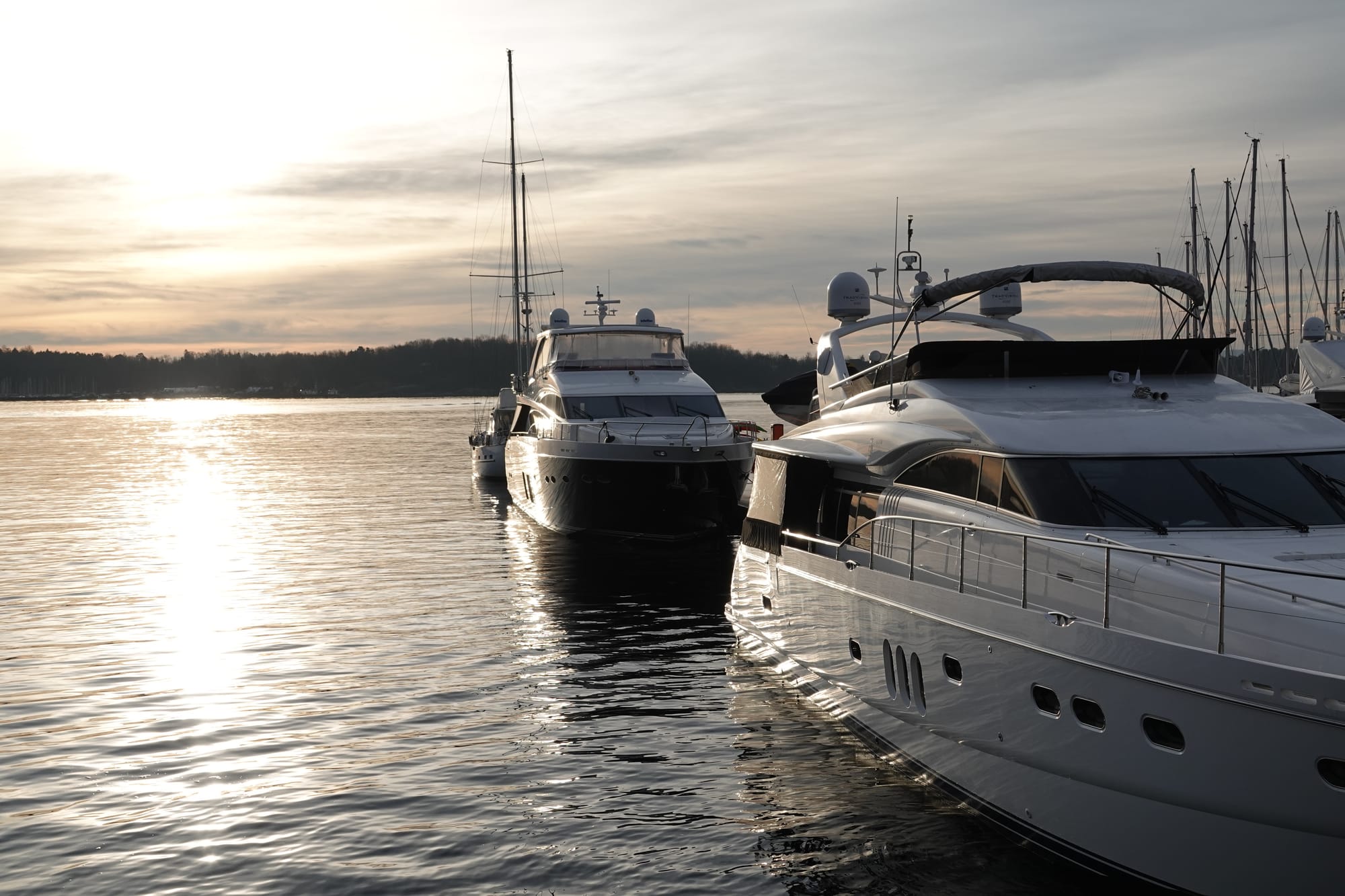
I wandered through streets with no idea where they led. I meandered down to the harbour, up to an old fort (that was mostly closed except for a wonderful little craft shop) and took a boat out onto the fjord, enjoying a cheeky beer out in the calm.
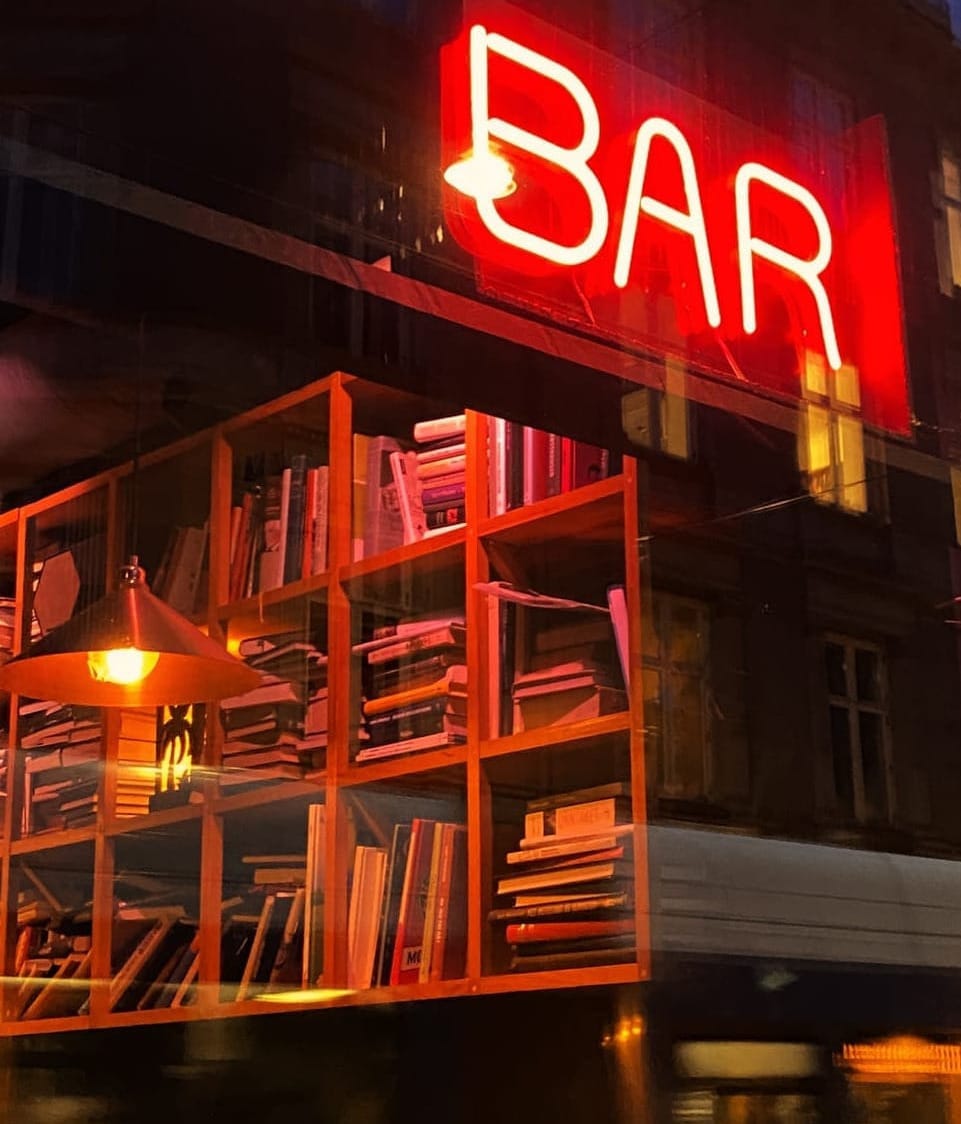
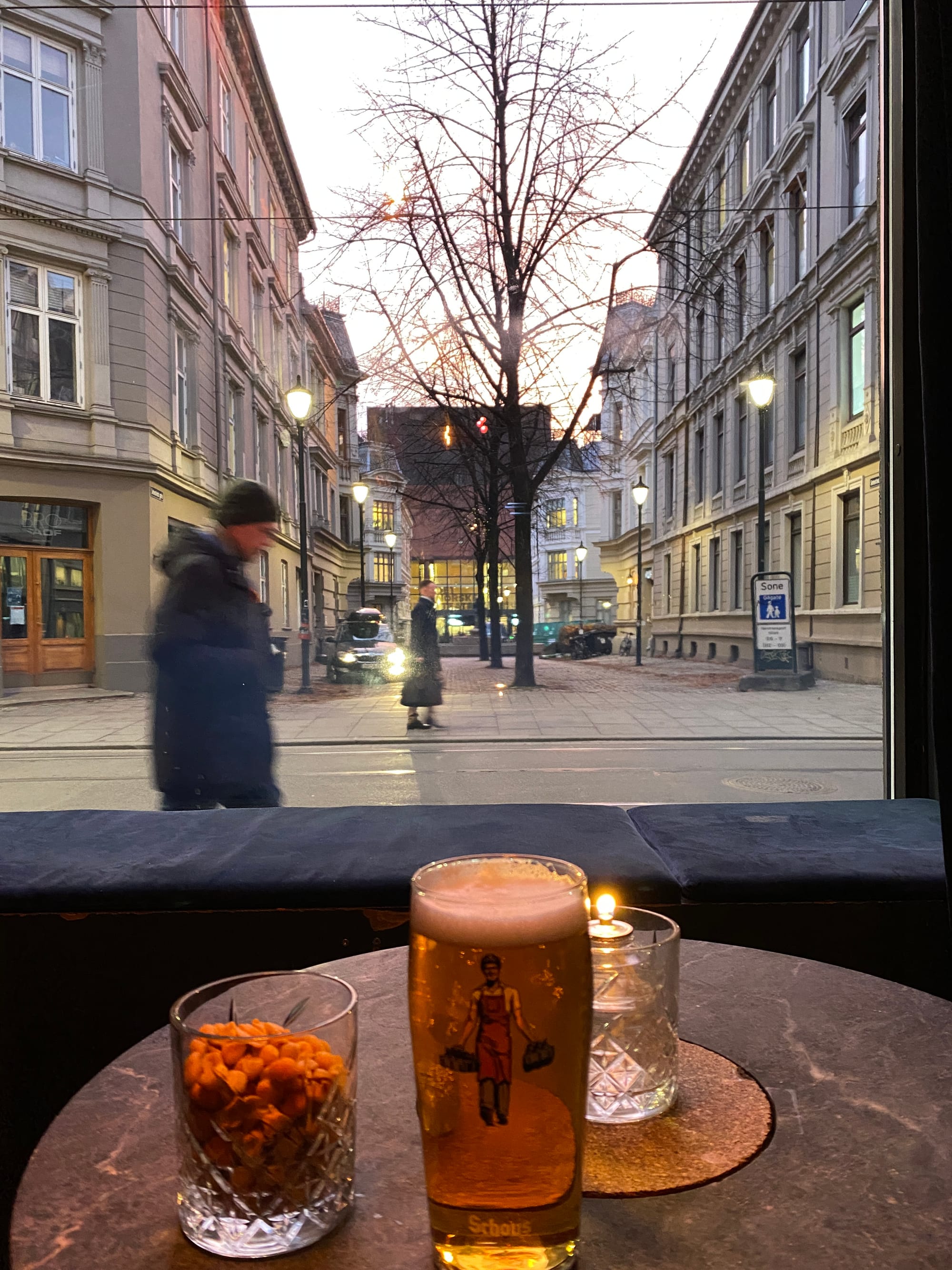
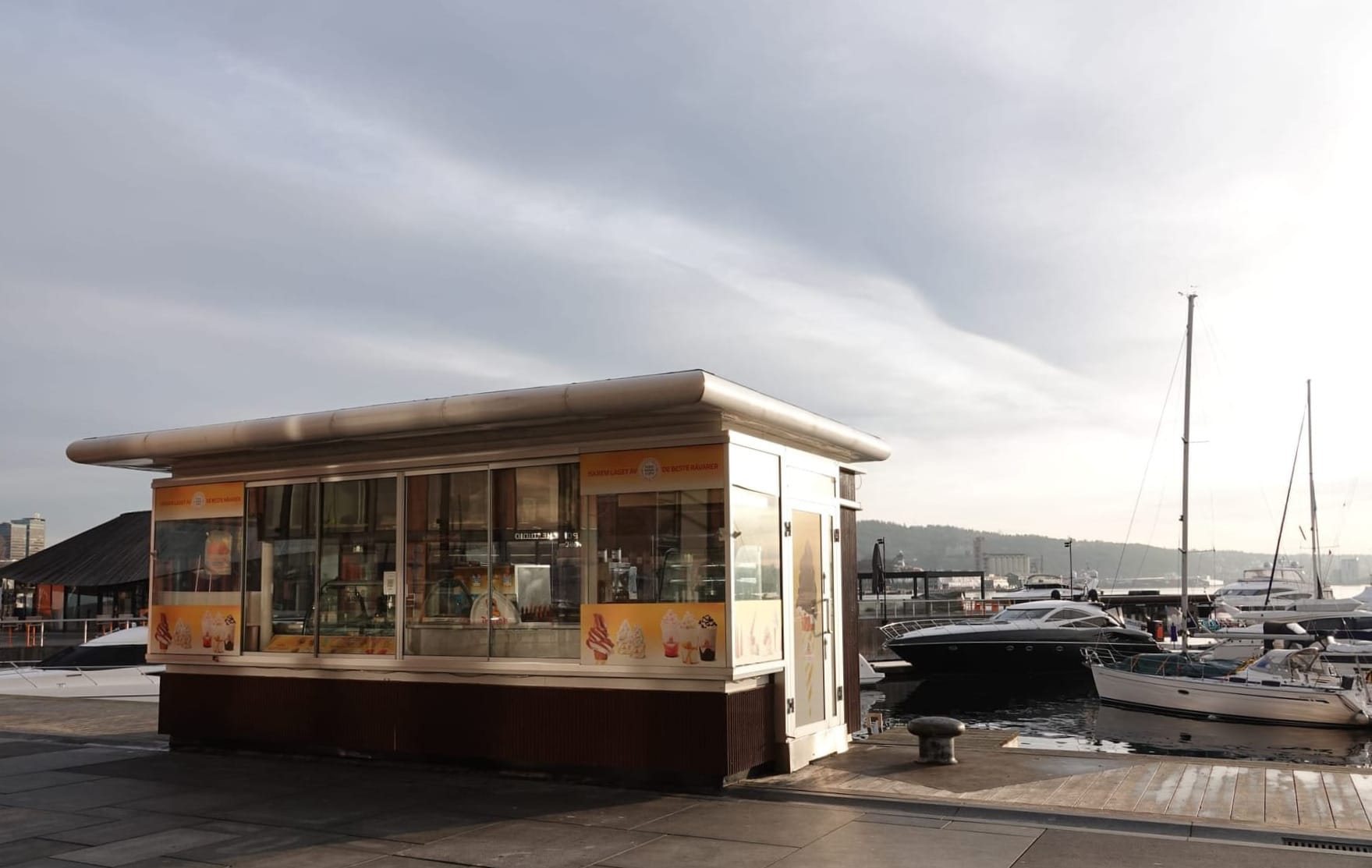
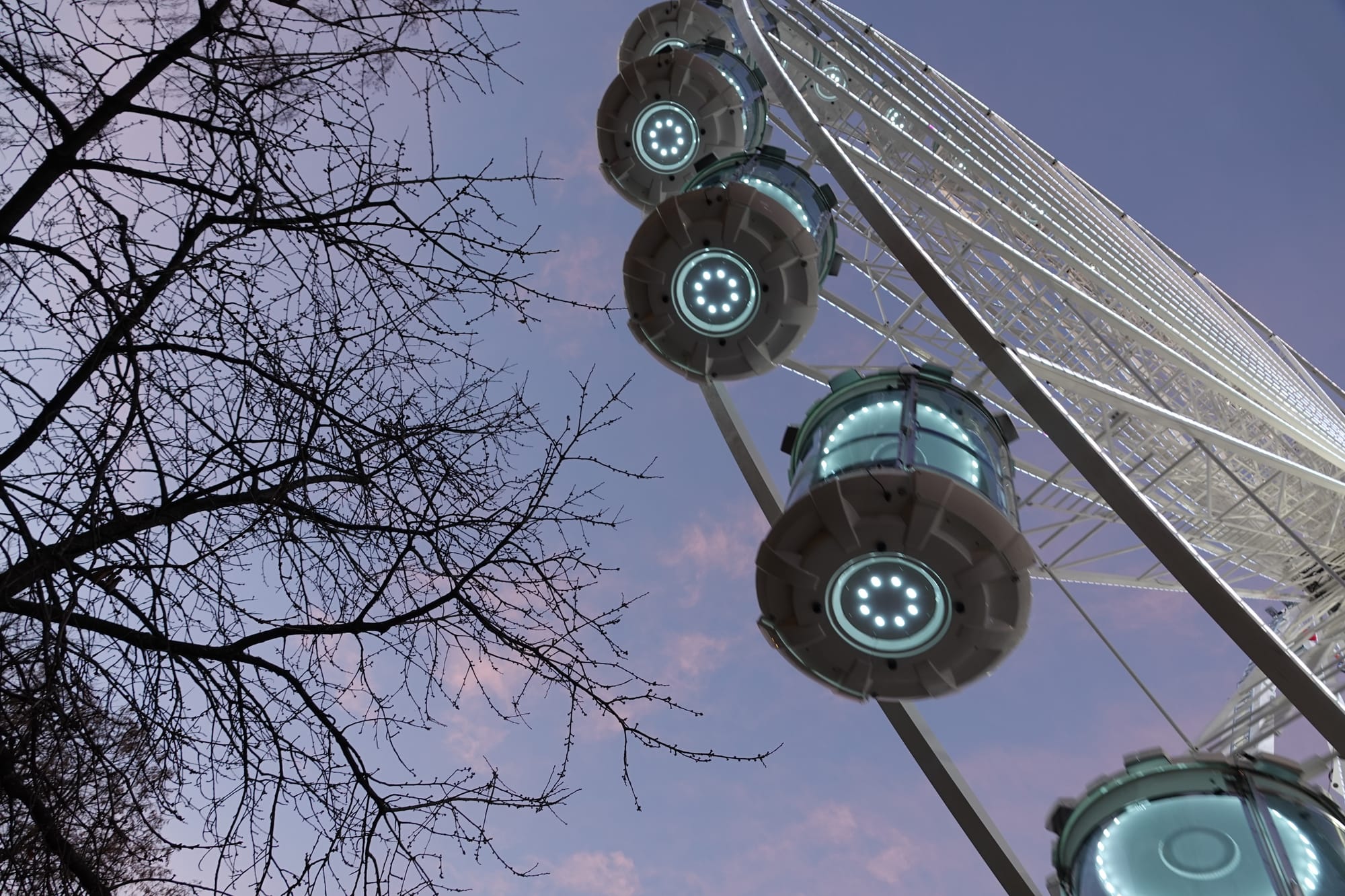
I stopped to look at buildings. I popped in to several stationery adjacent shops and I took lots of photographs and shot lots of film. I grabbed a beer in random bars and coffees in random coffee shops.
There was no pre-defined route to complete. No landmark I particularly had on my agenda and no list of Oslo's ten best things to see curated by someone else.
I just went out.
And I had an amazing time. A cold time. Sure. But amazing.
On the fourth day though, something interesting happened. I was inspired to create some short films. I hadn't planned them. I didn't really know what to say. But I felt compelled, inspired, motivated to make something.
I hadn't gone to Oslo intending to make these films. I hadn't arrived with a content plan, shot list and script – like I tend to do when filming. I wasn't gathering material for a long-term project either.
I'd just spent a few days wandering, noticing and paying attention with no plan other than to see what I could find. And, it turns out there is a word for this.
Flâneur.
What a delightful word.
In the most simplest form, to flâneur is to wander without a particular purpose. To stroll. To explore. To meander. To graze. To allow yourself to be somewhere without immediately deciding what you're supposed to get from being there.
But I think that's maybe too shallow a reading. I think there's something more interesting going on.
It's not really about walking. It's about attention.
You see, most of the time, we know where we're going before we leave. We have an agenda. We have a reason and purpose. We walk to the station. We walk to the restaurant. We walk to the shops. We walk because we're late. We walk because we haven't met our 10k steps yet today.
Even when we're supposedly out for a walk, the walk often has a job, or we multi-task. There is a destination. A route. A distance. An objective. A call we take. A photo we want to grab for the gram. Content to feed the machine. Somewhere to be.
Oslo was different.
I had somewhere to be eventually, but I didn't have to be there until the day after. And that, the fact I had nothing to do, changes the way you tend to look at a place.
When you are trying to get somewhere, the world becomes a series of obstacles and instructions and paths to weave along. Cross here. Turn left. Keep going. Right at the supermarket. Don't miss the train. Follow the map.
We tend to miss the details, the nuances, the things around us.
When you aren't trying to get anywhere, the world becomes much more interesting.
A doorway seems interesting. A handwritten sign is studied. A strange little shop invites you in. The shape of a building and how it sits beside another one.
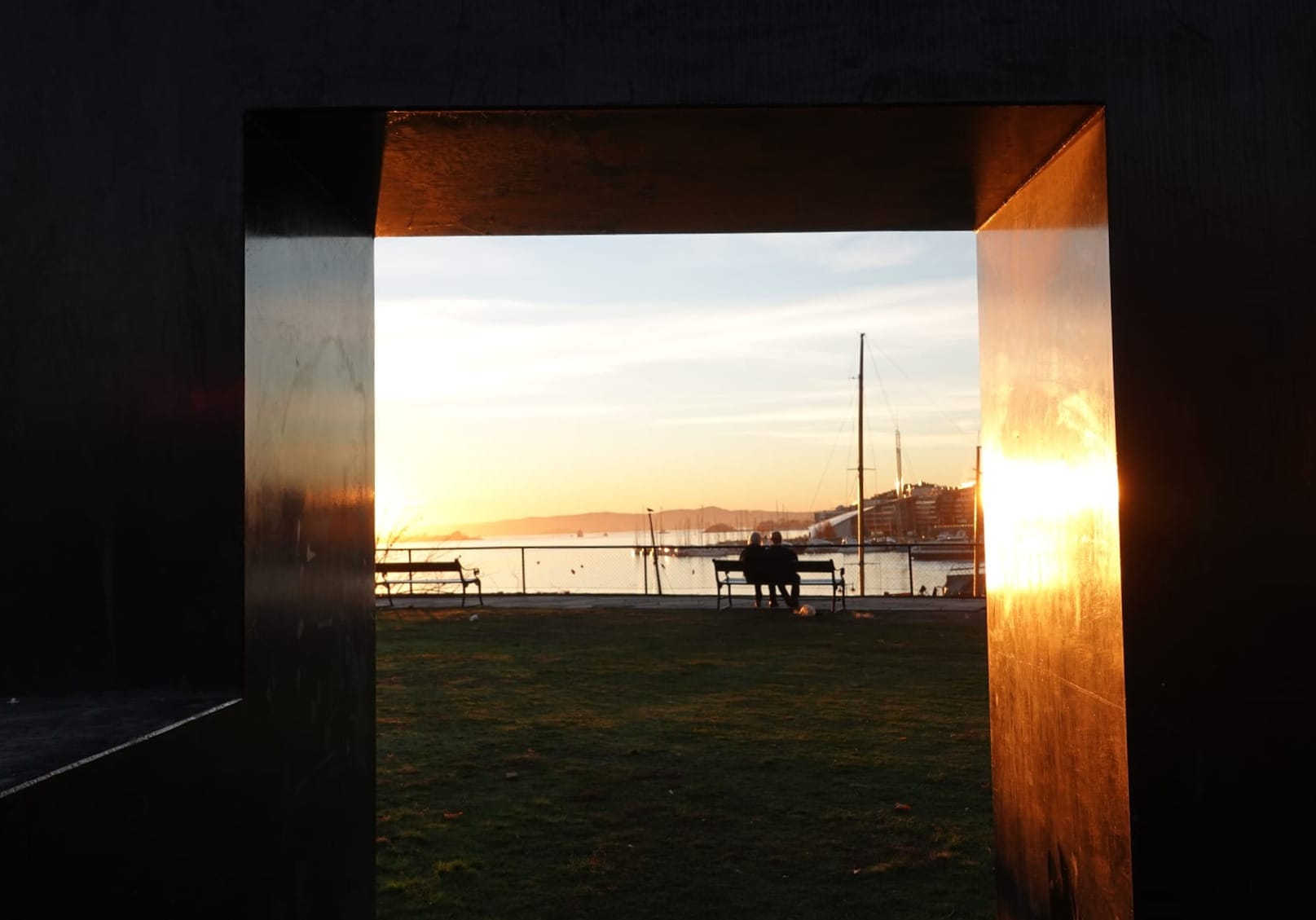
A boat sitting in the harbour. The light falling across a monument. A couple sat on a bench. Something happening on the other side of a window. A person who has stopped to look at something.
None of these things were on my lists of things to do in Oslo. And that's probably why I noticed them.
It is somewhat liberating to have no pre-ordained plan that keeps your attention elsewhere. That's what I like about wandering. It's a rebellion against optimisation.
We have become very good at giving everything a purpose.
Our walks have purposes. Our holidays have itineraries. Our mornings have routines. We're encouraged to optimise everything. Fill the spare time with podcasts, books, exercise, errands, journaling and elaborate systems for making sure that none of it has been wasted.
I do this as much as anyone. I like systems. I like plans. I like knowing what I'm doing and why I'm doing it. But there is a danger in deciding too early what something is for.
If I'd gone to Oslo specifically to find ideas for four films, I would have spent time trying to find four ideas for films, and likely would have crushed the whole experience.
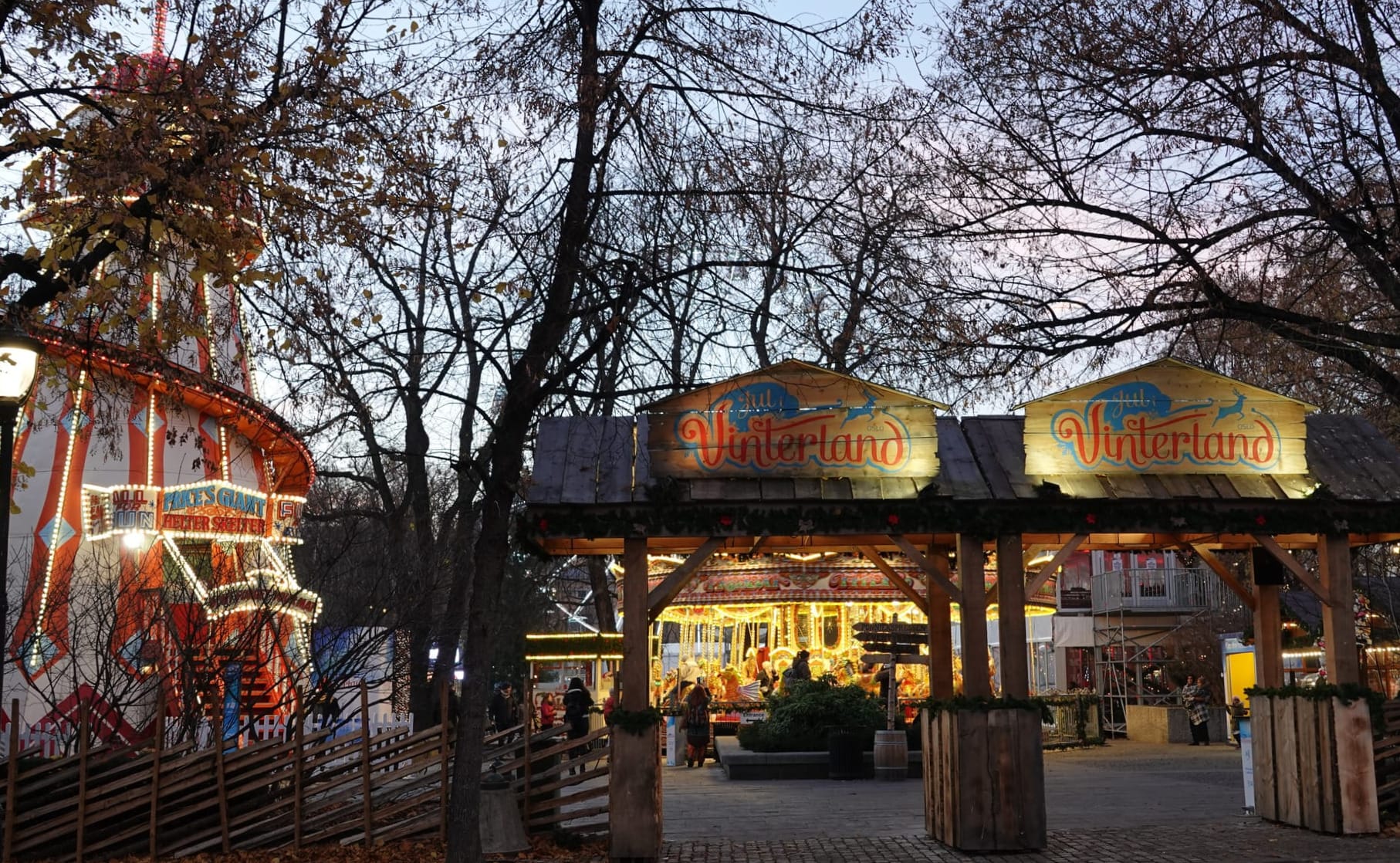
Instead, I wandered around Oslo. And then the ideas arrived. Or perhaps they were already there. I'd just made more room to notice them.
That's what I mean when I talk about attention. Wandering isn't passive. You are looking. Listening. Comparing. Remembering. Noticing. Making connections between things without necessarily knowing what those connections are for.
It's active idleness.
Which sounds like a contradiction until you spend a few hours doing it. The point isn't to have an idea. The point is to become receptive enough that, if an idea turns up, you might notice it.
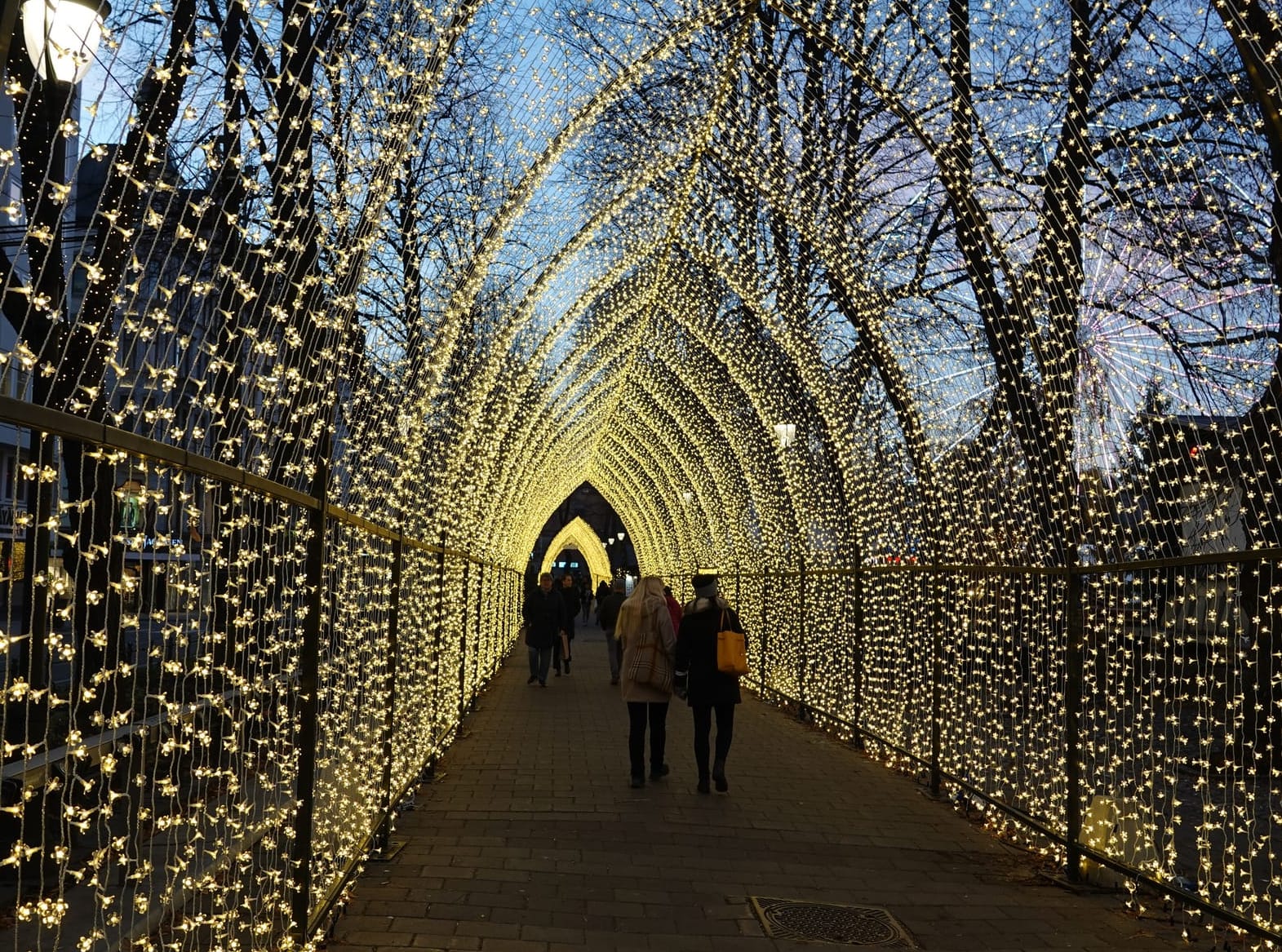
That's what happened in Oslo.
I walked. I took photographs. I went out onto the fjord. I looked at things.
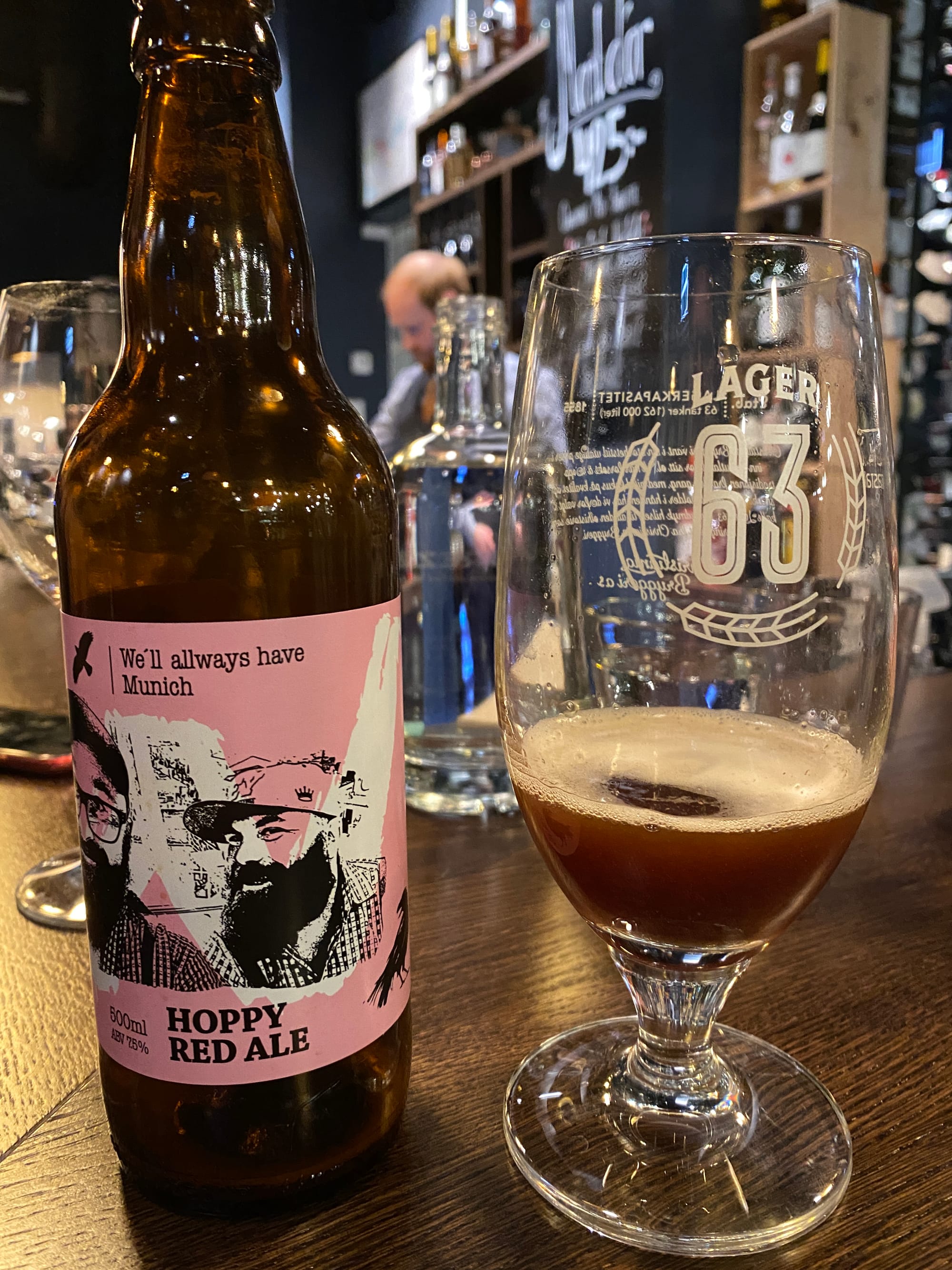
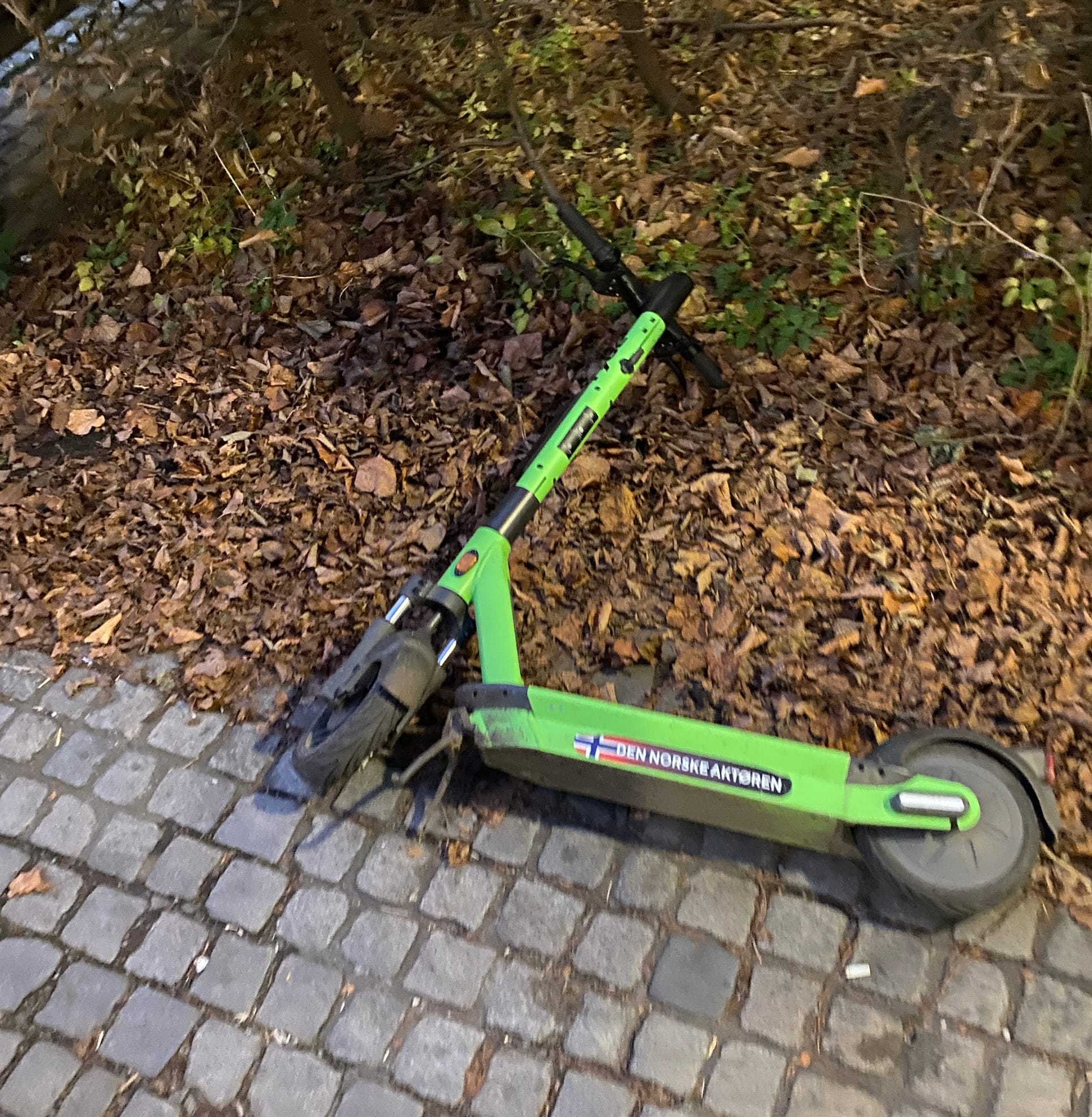
I came back to the hotel, went out for dinner, enjoyed some expensive beers, crashed a scooter and the next day I made four films.
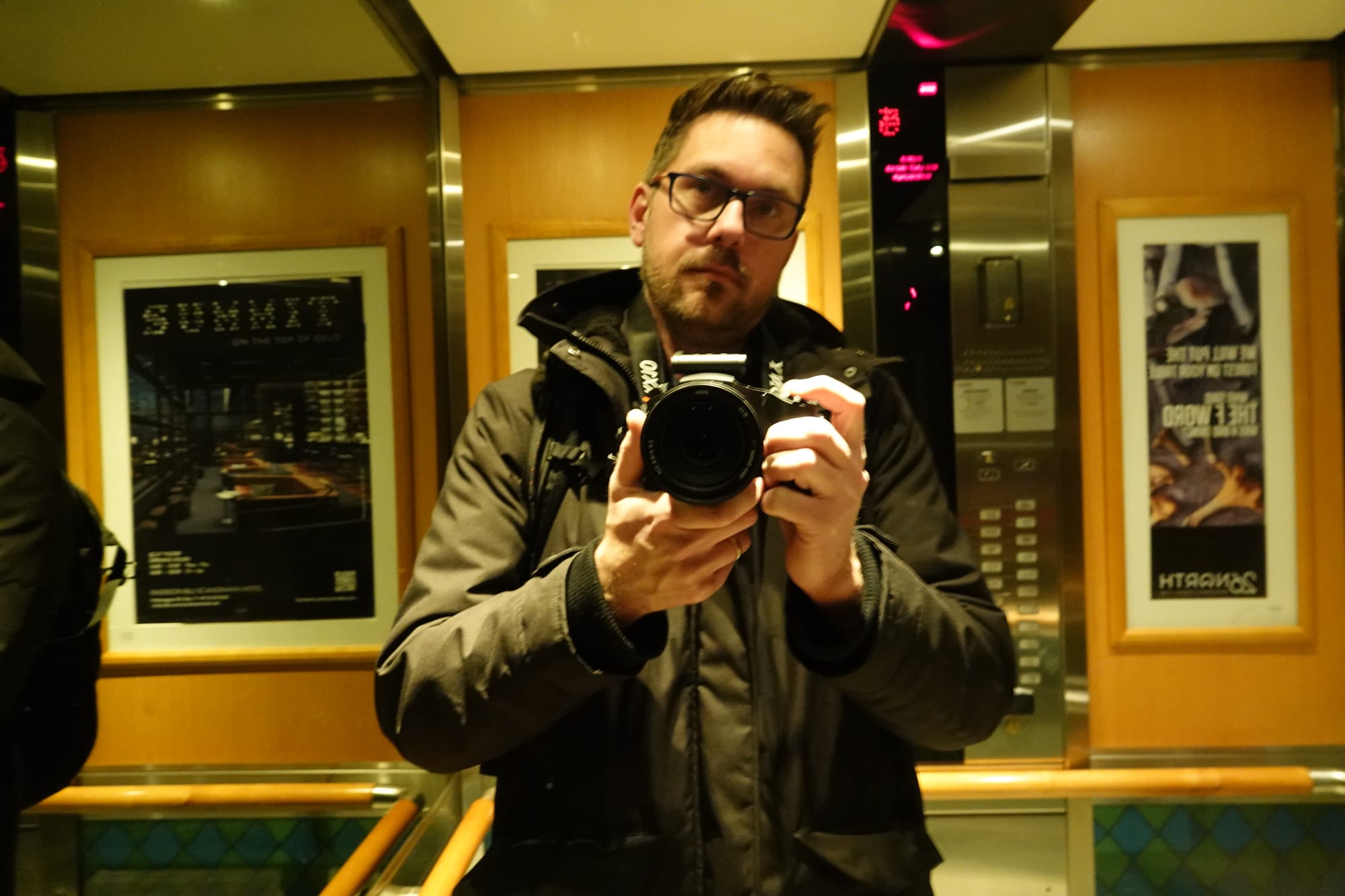
Of course, we shouldn't abandon our schedules and become professional wanderers – although that does sound like a cool job.
We have jobs to do, trains to catch, children to collect, meetings to attend and all the things that our busy lives are made up of. But every now and then, it is probably worth going for a walk without asking the walk to do anything for you.
No target. No route. No GPS. No podcast. No particular number of steps. Just a road, a corner, a building, a boat, a shop window, a little detail you hadn't noticed before.
And of course, some places are indeed safer to walk than others. This isn't a suggestion that you wander into a shady part of town to see what happens.
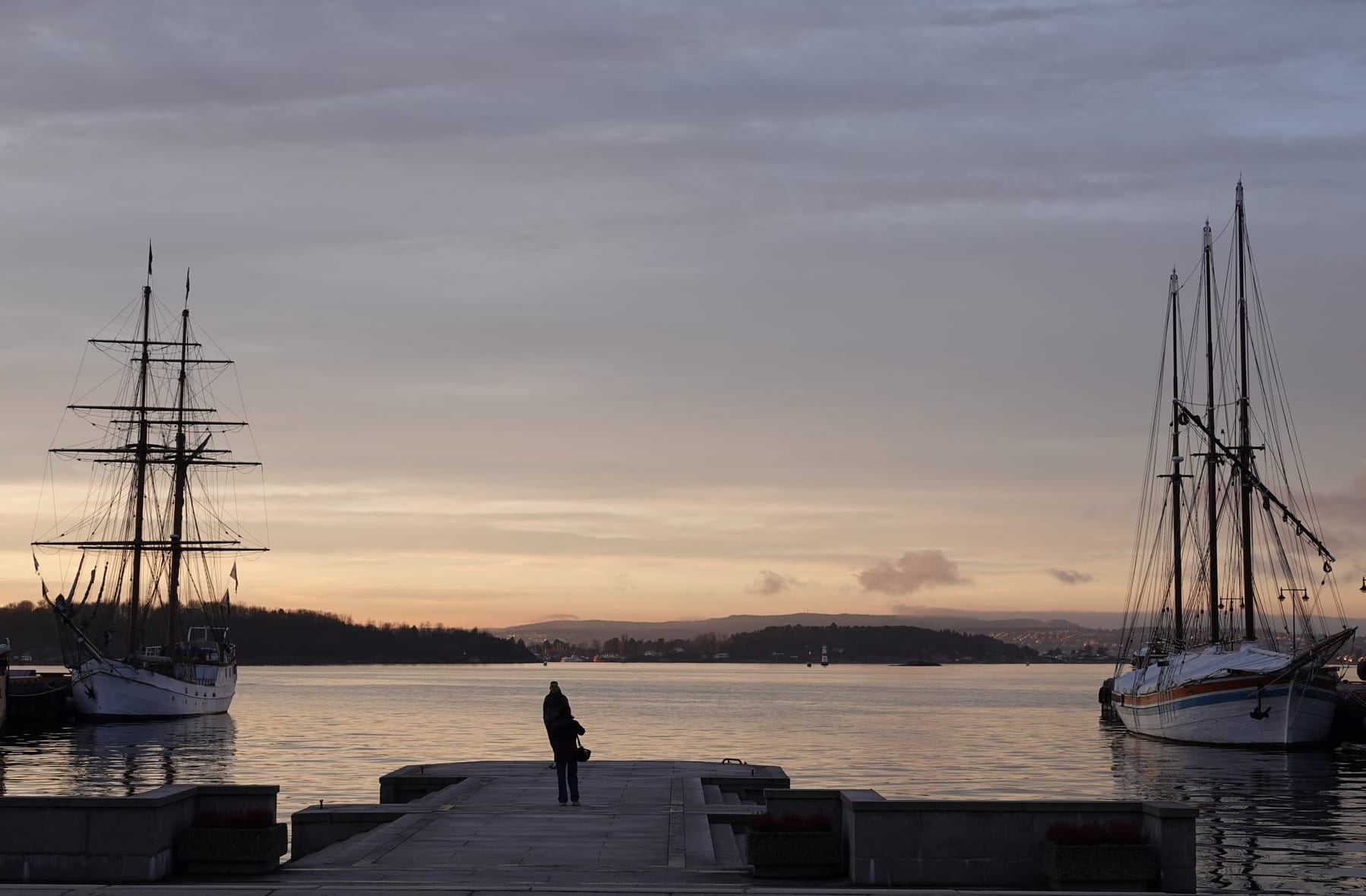
I like the word flâneur.
It gives a rather loverly name to something humans have been doing for a long time – and something very ordinary. Walking around and looking at things.
I think that might just be the whole point.
It's not, after all, about going somewhere. It's about being somewhere properly.
Creative Soul Projects
There's a video that goes with this piece, on Creative Soul Projects. Same person, same observation — just followed on camera instead of on the page. Explore the channel.
Instead of wandering by foot – I wander in a car. And not in Oslo, but my home city of Winchester.
Where this sits in the Atlas
Orientation·Idea to Value·Communication·Creativity & Climate·Learning
The Photo Essay Series
Other photo essays on noticing, creative attention, and the spaces that shape how we think.