Spirit and Hope at Work
Meaning can quietly wear away at work, a little at a time. On why spirit is the best early signal a team has, why hope is something leaders practise, and how to keep the light on.
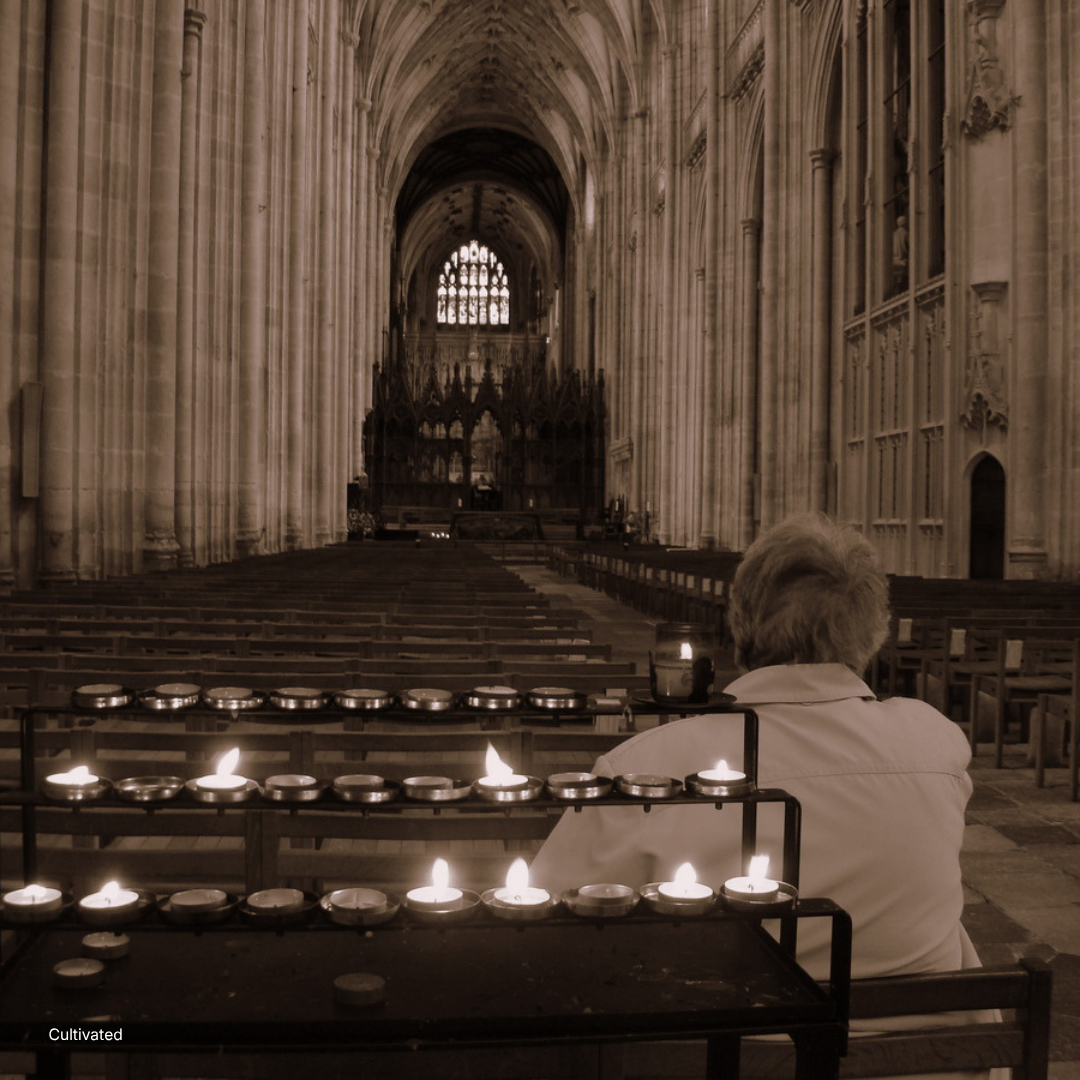
Most of us have had a stretch at work (and in life) where we've felt ground down. Where it's easy to forget why the work matters at all.
In the daily rhythm of meetings, deadlines, politics and pressure, meaning can wear away. The vision ends up living in a slide deck. The mission becomes a line on the wall. The work becomes something to get through rather than something to believe in.
Nobody decides this. It happens a little at a time, the way a garden goes to seed while you're busy with other things.
Plenty of organisations run on a deferred promise. When we hit this milestone, things will ease up. When we ship this product, we can breathe. When we sell the company, we can relax.
It's an understandable promise. It just doesn't tend to hold. Happiness that only exists at the finish line is fragile, and finish lines have a habit of moving. Hit the milestone and there's another one behind it, slightly taller, maybe further away.
So the more useful job of leadership isn't to promise happiness later. It's to cultivate meaning, spirit and hope in the pursuit itself.
Spirit is the signal
People want to work towards something that matters. They also want to feel alive while they're doing it.
Spirit is the laughter, the shared struggle, the sense of getting somewhere. It's one of the best signals a team has that things are working. When it starts to fade, that's an early warning, and usually a long way ahead of anything a dashboard will tell you.
I've felt this first-hand. In a startup, the exit mattered far less to me than the people, the shared problem-solving and the feeling of building something together. The pursuit was the reward.
I've also talked with people whose work had worn them down, who felt their light had been dimmed by politics, pressure and indifference. That isn't a performance problem. It's a leadership one, and the good news about leadership problems is that they can be worked on.
Human spirit and care are the foundations of great work. Without them you still get output. What you don't get is the energy, the ideas, or the sense of belonging that makes good people stay.
Hope as a practice
Hope isn't naïve optimism. It's something leaders practise.
It grows from a future people can believe in, a culture where effort feels meaningful, relationships that feel human, and permission to care, to laugh, to experiment and to grow.
When people believe the future is worth the effort, and feel supported along the way, remarkable things happen. Creativity rises. Resilience builds. Work becomes more than getting through the week.
Keeping the light on
Ken Robinson used to tell a lovely story about Death Valley, one of the hottest, driest places in America. Very little grows there, because it hardly ever rains. But one winter it did rain, properly, and the following spring the valley floor was covered in flowers. Death Valley, it turned out, wasn't dead. It was dormant, waiting for the right conditions.
People are a lot like that. The spirit doesn't usually leave. It waits.
Everyone in an organisation contributes to its emotional climate. Leaders carry the most weight, but culture gets made in small moments: a kind word, a moment of proper listening, a shared laugh, a thank-you said in front of other people, honest care. None of them shows up in a report. All of them keep the light on.
If a team isn't laughing, and isn't animated by what they're doing, that's worth paying attention to. Metrics rarely tell you this. People do, if you're around to notice.
Leadership is about strategy, performance and delivery. It's also about looking after the human spirit that makes all three possible.
So keep the light on. In yourself, and in the people around you.
When spirit and hope are present, work becomes more than work. It becomes a shared human project worth caring about.