Creativity & Climate (Engine)
Creativity and climate — the conditions that allow good work to happen. Articles in this layer explore environment, energy, creative practice, and what leaders do to make good thinking more likely.
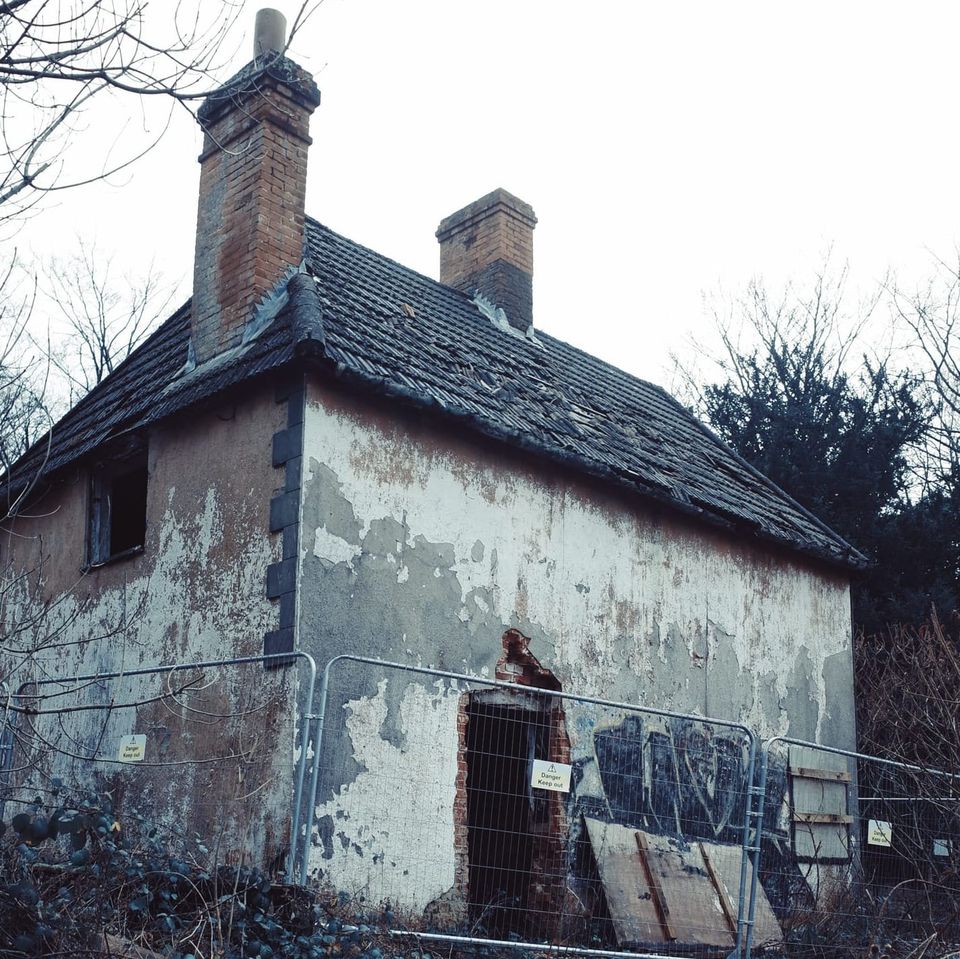
Organisations grow by dividing work. Roles appear. Functions harden. Disciplines specialise. What begins as clarity slowly becomes fragmentation — and the most important work no longer fits inside any single box.

Spirit and hope are not soft concepts—they are core conditions for meaningful work. This essay explores why leaders must cultivate joy, belief, and energy in the pursuit, not just at the finish line.
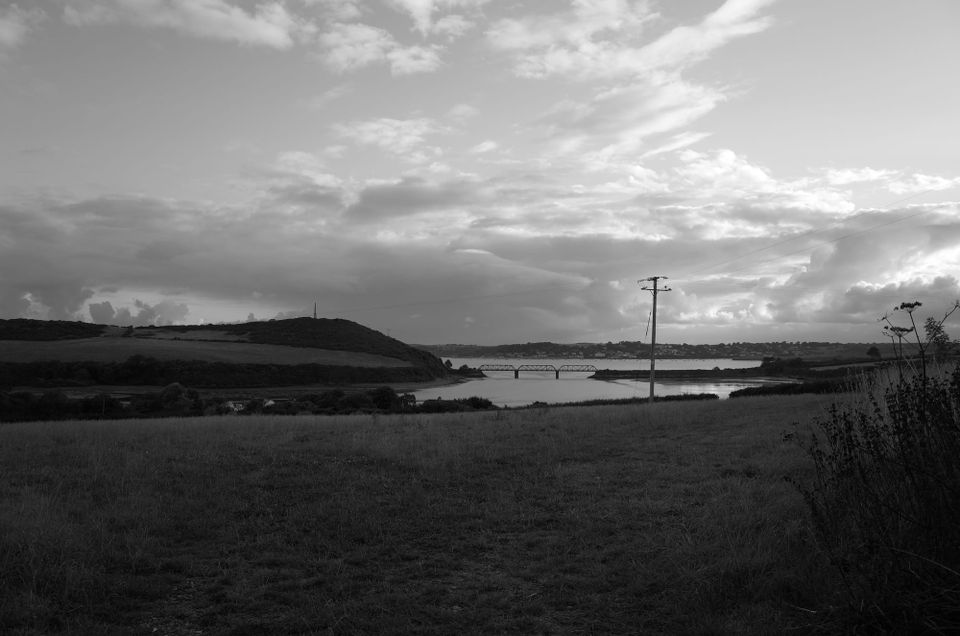
Life cannot be balanced — only oriented. This essay explores the Pillars of Life: a way of looking at the tensions across the pillars that make us who we are.
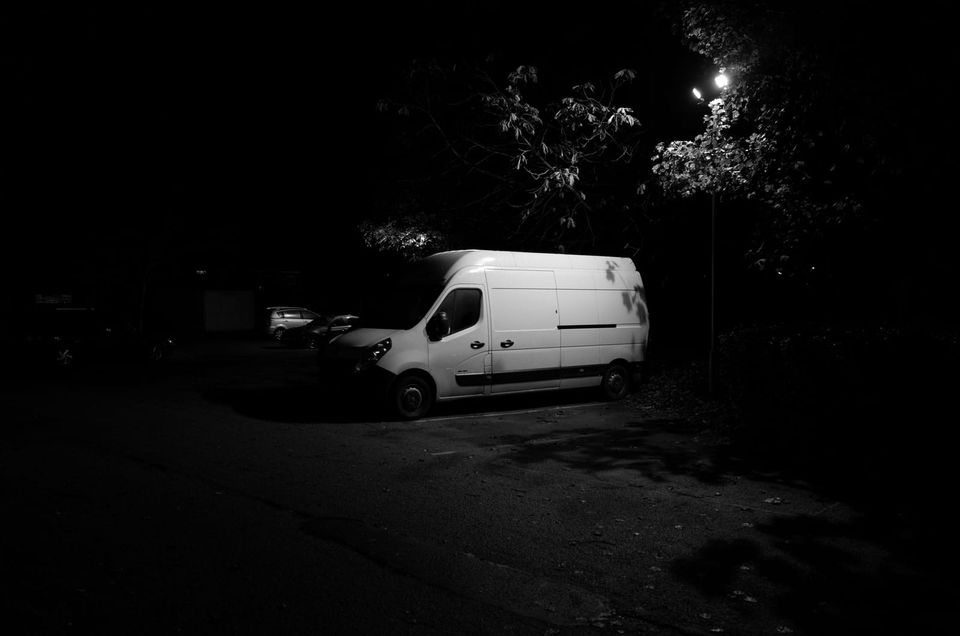
The M25 is not designed to run at maximum capacity. Neither is a work system. Why slack isn't wasted capacity — and how to protect the space where human creativity happens.

Training doesn’t change organisations. Behaviour does. A systems view on why most learning fails — and how to design learning that actually sticks.
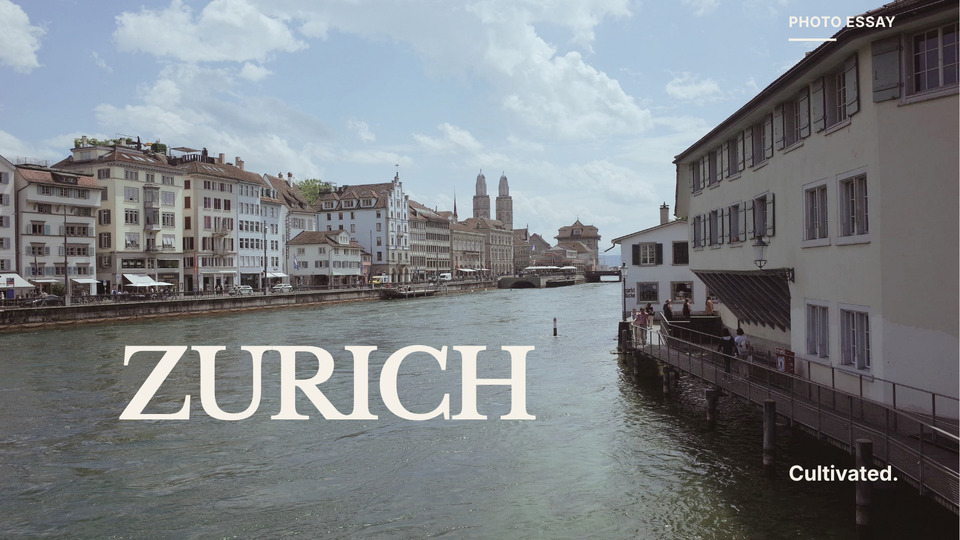
A trip to Zurich to give a keynote, and what happened when I carried a microphone around the city instead of just my usual camera. On church bells, a man eating a kebab on a bicycle, and why the most productive afternoon of the trip looked, on paper, like doing almost nothing.
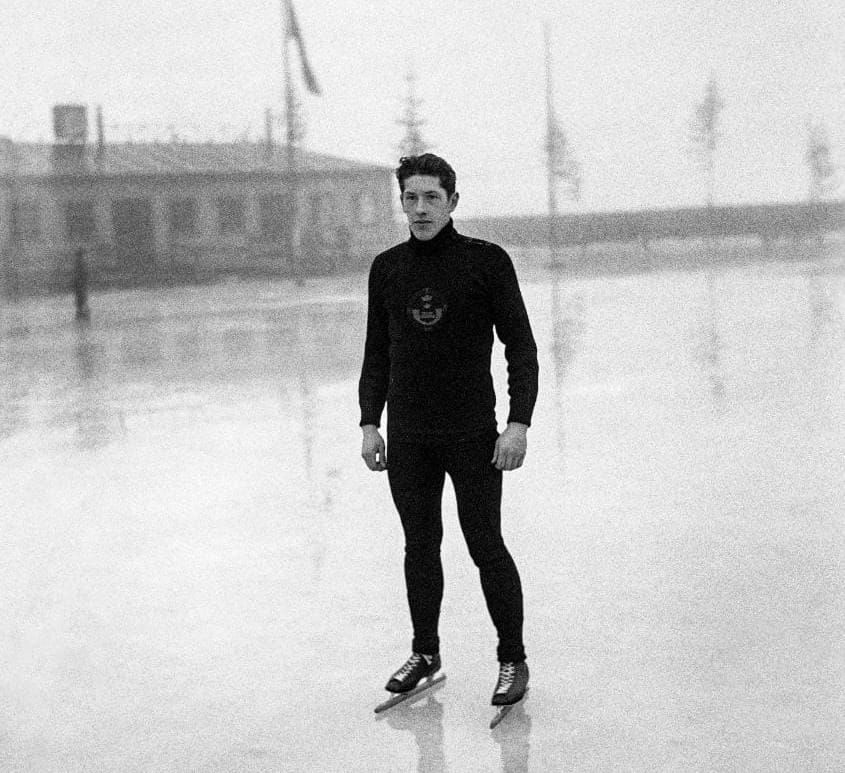
We treat hiring as though we're buying a spare part — someone left, there's a hole, find a replacement roughly the same shape. But you're not filling a vacancy. You're deciding what your organisation becomes, and what happens to every idea that travels through it after them.

A manager once asked what it would cost to keep the office open all night so she could watch a team she didn't trust. On micromanagement, the hidden cost of not trusting your people — and how that distrust travels, unchanged, all the way to the customer.
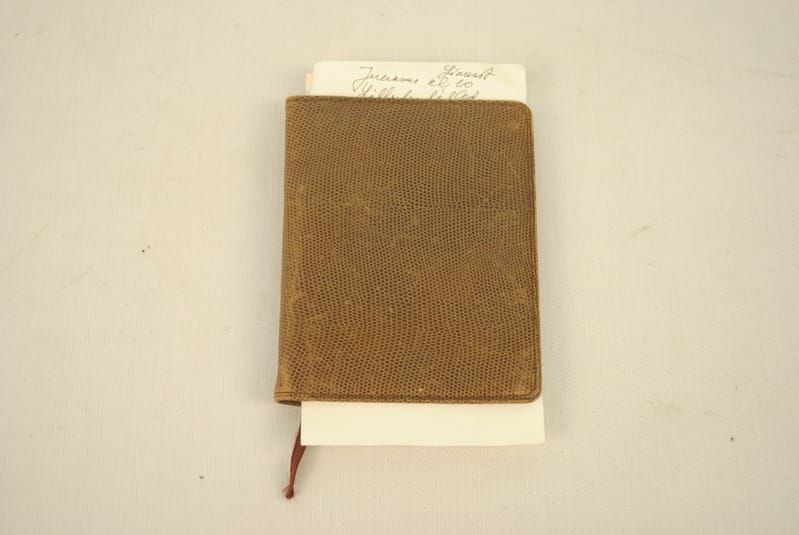
In a world built for speed, a blank notebook offers something rare: bounded space, physical presence, and attention with a bit of friction. On analogue tools not as nostalgia, but as environments for thinking.